
For any brand or agency who wants a deep understanding of their 'older' customers
OUR NEW REPORT
The 10 Life Changing Questions Asked By People In Their 60s
Download our free report to discover what matters to people in their 60's.
Find out what drives them.
Find out their joys and their challenges
HIGHLIGHTS FROM OUR RESEARCH
The lives of people 60 to 69
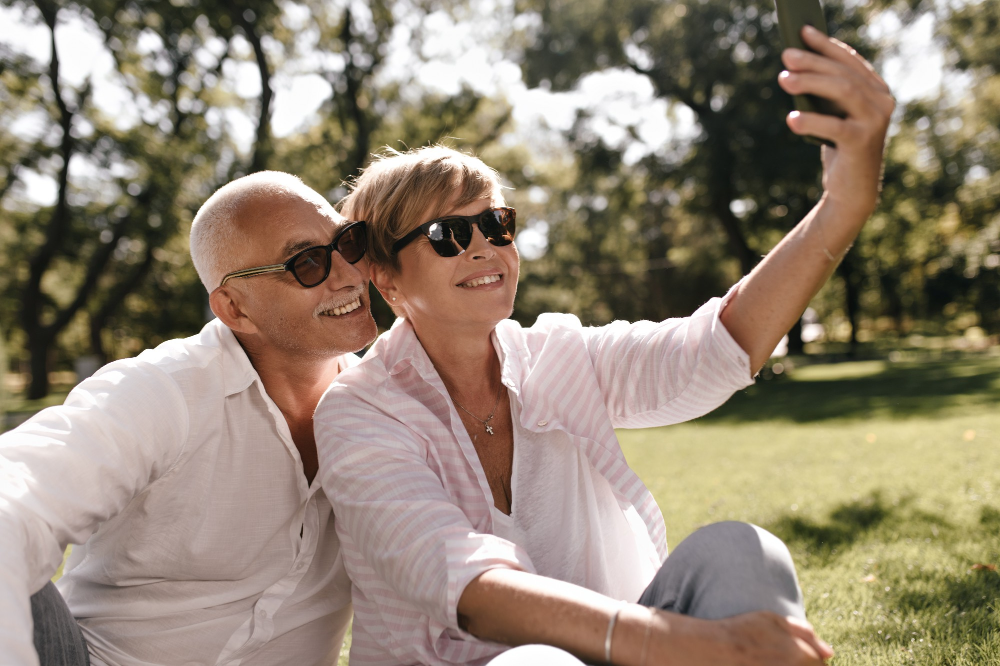
Over the past year, we’ve taken a deep dive into the lives of Australians in their 60's.
Our new report, Life Changes In Your 60's: The New Lives Of Older Australians, captures what we discovered.
It’s designed for businesses offering products and services—such as clothing, entertainment, personal care, household goods, travel, and financial services—tailored to this age group.
Here’s what we found: your 60's are a transformative decade. They shift your sense of identity and how you see yourself. People in this stage face a flood of new decisions—whether to keep working, how to fill their time, how to support adult children, and what kind of grandparent they want to be.
It’s unfamiliar territory.
They’ve never navigated life with grey hair, a healthy super balance, creaky knees, and extra time before. And many feel like they’re facing these changes alone, without a roadmap or peers openly talking about the same experience.
"
There's really nobody out there to sort of pull you out of the surf.... You've got to get up and swim out yourself"
Kathy, 67
Below are some of our insights about this age group
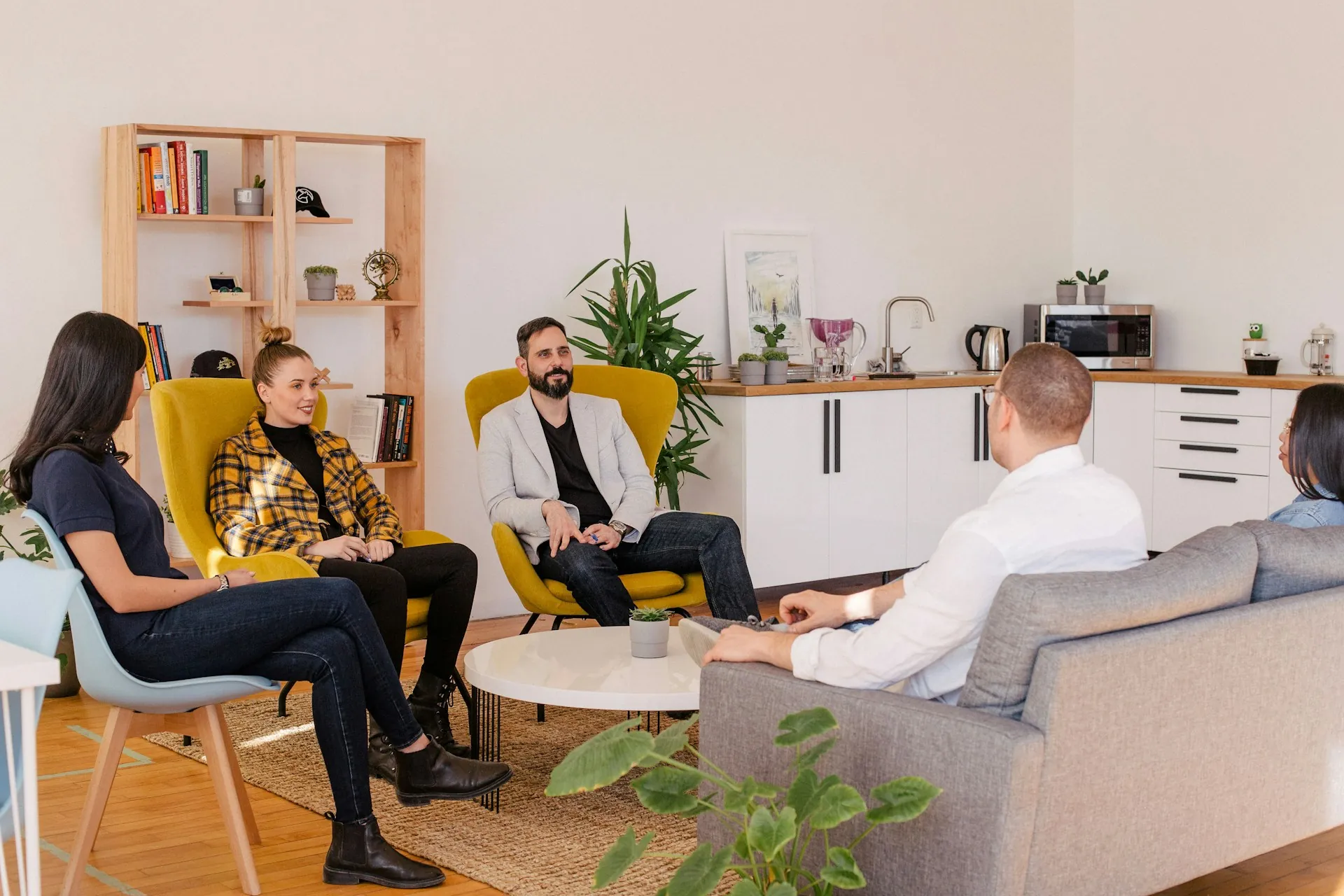
Whether, When And How To Work
Deciding to retire means
deciding who to be
Retirement is a rite of passage that usually occurs in our 60s where a person opts to step away from a long-held identity—one built through decades of work—without yet having a clear sense of what the new 'retiree' identity will be.
This uncertainty is one why some in their 60s work long hours in demanding roles because retirement remains an unknown concept—one that feels vague, unstructured, and difficult to visualise. At the same time, others are forced out of the workforce.

How To Parent Adult Children
Finding new ways
to relate to our children
In our 60s, we need to find new ways to parent our now-adult children. This means developing a new set of skills and finding new ways to relate to one another.
The idea of ‘cutting the apron strings’ may sound simple in theory, but in practice, it is far from easy. These relationships are layered and constantly evolving. As the decade progresses, they must be continuously negotiated and renegotiated—balancing support with independence, and involvement with respect for boundaries.

How To Spend The Time
In our 60s we need to
learn how to spend time again
While many retirees speak positively about the freedom to sleep in and the flexibility to choose how they spend their time, those approaching retirement often view a life without routine as daunting.
They have never had this opportunity before which is why it is so unsettling, especially for those whose sense of purpose has long been tied to their work. As a result, many new retirees actively seek meaningful ways to reintroduce structure and a sense of self-worth into their daily lives.
Deciding How Old To Look
As people in their 60s take this transformational journey through work, parenting, leisure and social connections, one of the most difficult and emotionally charged decisions is how old to look—especially for older women.
Some believe embracing grey hair allows women to fully be themselves, free from the pressure to maintain a youthful image. For some, dyed hair represents a former self—one focused on fashion and fitting in. Choosing grey becomes a way to step away from those expectations.
Others feel the opposite. They see grey hair as reinforcing age-based stereotypes, making them feel boxed in by how society expects older women to look and behave.
There are no right answers here—only personal choices that reflect individual values and identity.

Curious about how this research could help you?
Our new report is available to buyers of research services completely free of charge. If you’d like a copy, click on the link above.
We’d also love to explain more about our work and how our research can support your business.
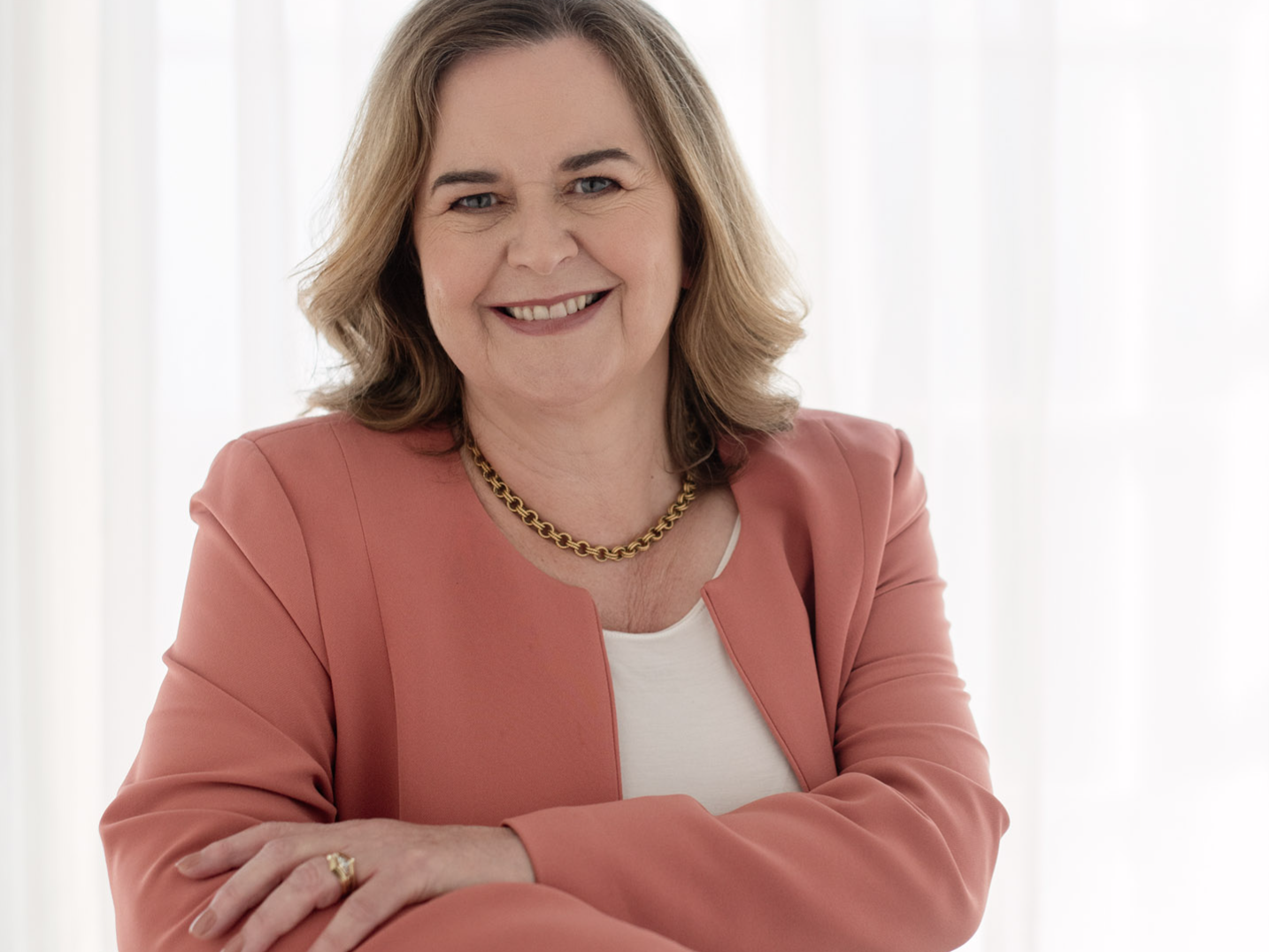
Contact Susan on [email protected] for a free consultation
© 2025 Susan Bell Research. All rights reserved.