
Free Guide for Athletes
Why You Can't Just "Think Positive" Under Pressure — And What Actually Works
A 7-day framework to interrupt the thought patterns that hijack your performance, backed by 15 years of sport psychology practice.
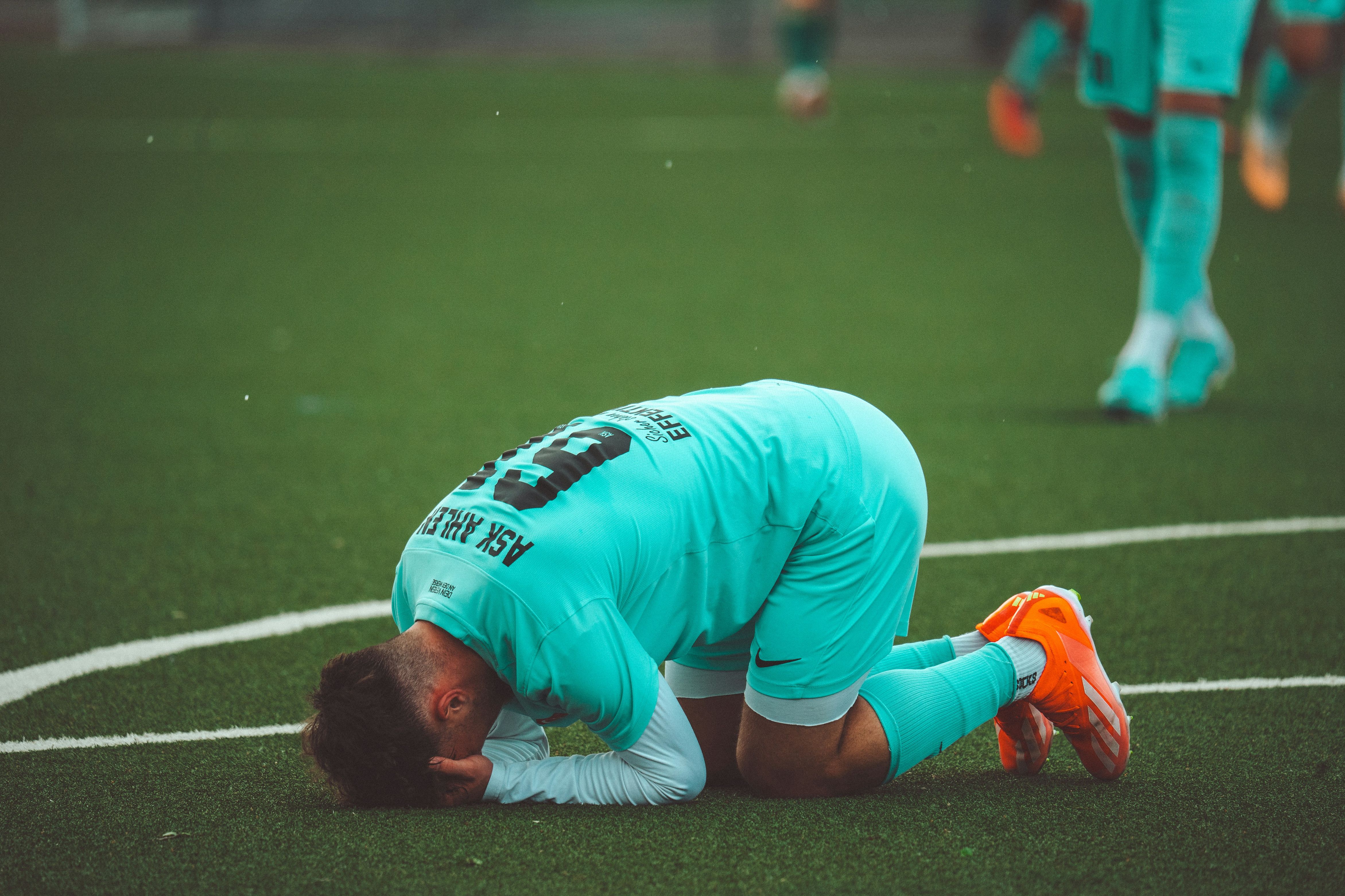
Your mind goes somewhere you don't want it to go. And telling it to stop makes it worse.
You already know that negative thinking hurts performance. You've tried to stop it. You've tried positive self-talk. You've told yourself to focus.
And it still shows up — right before competition, mid-race, in the moment that counts.
That's not a willpower problem. It's how the brain works under threat. And fighting your thoughts is one of the least effective things you can do.
There's a different approach. One that doesn't require you to manufacture confidence you don't feel or pretend the doubts aren't there.
What's inside the 7-day guide:
Why "positive thinking" backfires under competition pressure — and what your brain is actually doing
The difference between a thought that's true and a thought that's useful (this one changes everything)
A simple daily practice that builds psychological distance from performance-killing self-talk
Day-by-day exercises you can do in 5–10 minutes — short enough to stay consistent
The exact shift elite athletes make in how they relate to their inner critic — not silence it
A framework you can use mid-competition when negative thinking shows up anyway
This isn't a motivational guide. It's a mental skills guide — built on Acceptance and Commitment Therapy (ACT), the same evidence-based approach used with NCAA programs, professional athletes, and high-performance competitors.
"For the first time I felt like I was competing for myself — not for everyone else's expectations of me."
College Runner
Used with permission
I feel like I actually know what to do when my critic is loud.
Amateur Cyclist
Used with permission
I've been where you are.
I'm Dr. Trent Claypool, a licensed sport psychologist with 15 years of experience working with athletes from youth through professional level. I'm also a former competitive swimmer and current endurance athlete — which means I've stood on the starting line with everything I'm describing running through my own head.
The framework in this guide is the same one I use in session. I built it because the common advice — "be more positive," "stop overthinking" — doesn't work when your nervous system is in threat mode.
This does.



Get instant access — it's free.
© 2026 Summit Sport Psychology, LLC All rights reserved.