LEARN
How to become a counsellor in the UK
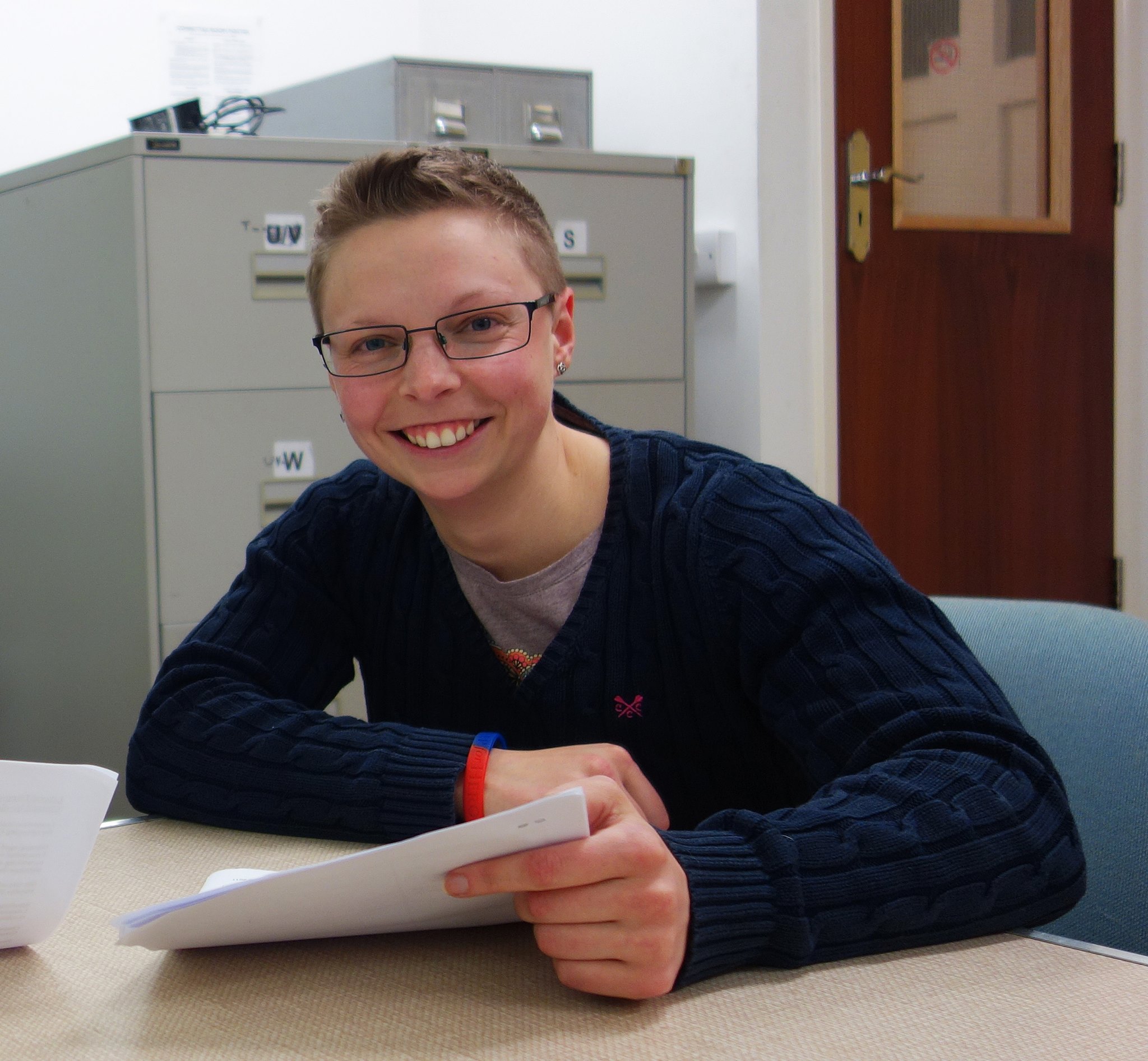
Hi, I'm Jade. I'm a counsellor and rewind trauma therapist in the United Kingdom.
I wrote a popular article explaining how to navigate the minefield of counselling qualifications in the UK and people were soon asking me to offer one-to-one calls to discuss their options.
This page gives you a rundown of training routes available.






Anyone can call themselves a counsellor
It may shock you to learn that in the UK anyone can legally claim to be a counsellor, even if they are not actually qualified.
Terms like counsellor, cognitive behavioural therapist and psychotherapist aren’t on the list of protected titles so anyone can call themselves one. It also means there is no official definition of any of them.
Similar titles like counselling psychologist, arts therapist and sports and exercise psychologist are all legally protected and require specific qualifications.

Which membership body should you choose?
Most (but not all) safe and ethical counsellors get themselves registered with a professional body. Each membership body sets its own standards which counsellors are expected to adhere to.
This generally includes a requirement for continuing professional development (CPD), so even when you’re qualified you’ll still be learning. For example, if you’re a member of the BACP or NCPS then you need to complete 30 hours per year.
There are lots of different ways to become a counsellor and it’s impossible to cover them all, so this page looks at the most popular.
Recent changes
The Scope of Practice and Education (SCoPEd) framework was adopted in 2023 by six of the counselling membership bodies (BACP, NCPS, HGI, UKCP, BPC and ACC).
Because of the lack of regulation, it aimed to set out core training, practice, and competence requirements for counsellors and psychotherapists who work with adults.
The process and adoption has proven controversial in the counselling world. Counsellors in these membership bodies have been allocated to columns A, B or C based on their existing qualifications and experience. Speaking as someone working in private practice, I haven’t yet seen any real impact, but if you’re at the beginning of your training then it may factor in the route you choose, particularly if you want to be employed by an organisation instead of working for yourself.
No one knows how it will all play out so it’s important to keep on top of any developments.
To be placed in SCoPEd Column C (the top one) straight after your training you’ll need to complete a Level 7 (master’s level) qualification lasting a minimum of 500 hours.
You’ll need to have counselled clients for 400 hours during your training, and the length of your training or experience must have been at least four years. BPC and UKCP psychotherapists are placed in this column.
Both these membership bodies accredit training courses which you can choose from if this is your preferred option.
Don't want to do a master's degree?
If you don’t want to go down the master’s route then the best place to start is probably with the CPCAB’s Level 2 Certificate in Counselling Skills. There’s a free taster of CPCAB’s courses and basic counselling skills here. The CPCAB is an examining body, much like AQA, Edexcel or OCR for your GCSEs.
You’ll need to take the Level 2 Certificate in Counselling Skills even if you already have other Level 2 qualifications (such as GCSEs) or above, because the important thing here is learning the basic skills, not the academic level. It’s a short course which I’d actually recommend to pretty much anyone, whether you want to become a counsellor or not. It will teach you useful skills and empathic ways of communicating which can enhance your everyday relationships, and it should give you a good idea as to whether it’s the right career for you.
The Level 2 certificate is available at colleges and private providers all over the UK. I took mine with Devon and Cornwall Counselling Hub which sadly no longer exists.
The course only lasts a few months, coming in at 90 hours in total. Make sure you choose a course that takes place in person or live online where you interact with a tutor and other students. If it’s self-paced or study alone then it won’t be recognised by the profession.
Unfortunately there are lots of counselling courses out there that aren’t recognised so it’s extremely important that you do your due diligence before spending your time and money on something that turns out not to be legitimate.
If it’s a CPCAB course you know it’s the real thing, but there are other options too.
What's next?
The next step is the Level 3 Certificate in Counselling Studies which introduces a lot more theory. You may already know which type of counsellor you’d like to become — in which case it would be helpful to pick a provider focusing on that modality as the theories you’ll be using in Level 4 should feature in their Level 3. If you don’t know then it may be best to choose somewhere offering training in integrative counselling.
Integrative does what it says on the tin — you literally integrate concepts from different modes of working and schools of thought. This recognises that different clients will have different problems and different preferences, so different approaches will be needed. At Devon and Cornwall Counselling Hub, we focused mainly on person-centred, gestalt and CBT but we also touched on transpersonal and psychoanalysis.
The course is another 90 hours, again usually taken as an evening class. Once you’ve completed it you should be prepared for the Level 4 Diploma in Therapeutic Counselling which is the level where you actually qualify as a counsellor.
Before the pandemic, training at all levels had to be in person. Lockdown moved teaching online and caused training providers and membership bodies to review their requirements.
The BACP now requires that Level 4 courses include at least 70% face to face classroom-based tuition and up to 30% live synchronous online training. This last point is important.
Cheap online courses require you to teach yourself using their course materials. They don’t offer live online tuition with a tutor and other students. Such courses are not recognised by the counselling profession.
The CPCAB published a letter to centres allowing them to apply to deliver courses live online. However, their Level 4 courses must include at least 75% face to face teaching.
Level 4 is a much bigger commitment than Levels 2 and 3, usually taking place one day a week for two years. There are some weekend and evening options available but these are less common.
You’ll also be required to do 100 hours of one-to-one work with clients, undertake supervision, and have your own personal counselling. (If the course you’re looking at doesn’t include these things then it won’t be recognised.)
It’s possible to do it while working and having other demands in your life, but you will need to be prepared to spend a lot of time and money.
Get CPD webinar listings delivered free each month
Sign up my Neurodiversity Newsletter and other updates
Does a course need to be accredited?
Some courses are accredited by a membership body, which means you’ll be eligible to join them as a full member upon completion. My Level 4 wasn’t accredited so when I completed it I took the free certificate of proficiency and joined the BACP as a registered member. You might like to look at the other professional bodies and choose the one that suits you. Most also offer student memberships for those in training.
Although you’ll be qualified as a counsellor when you’ve completed your Level 4, it’s really just the start. The diploma also forms part of the Open University’s Foundation Degree in Counselling, so you can do more modules and gain that qualification too through distance learning if you like. You might then choose to top up to a full bachelor’s degree with another institution. You can go on to complete higher level qualifications with the CPCAB or another awarding body. Even if you don’t want to do any further qualifications, you’ll still need to keep updating your skills through CPD courses and reading. If you want to move up the SCoPEd columns then you’ll need to undertake training with this in mind.
Alternatively you may wish to go down the psychology and mental health route. In the UK, the British Psychological Society (BPS) charters individuals and accredits qualifications. If you don’t have a degree then you’ll need to do one of their accredited psychology degrees which are available across the country or via distance learning. If you already have an undergraduate degree in a different subject, or you have a non-accredited psychology degree, then you can do a conversion course at master’s level. Again, these are available at universities across the country or via distance learning. I completed my MSc Psychology online with Manchester Met over two years alongside my diploma.
With a Level 4 Diploma in Therapeutic Counselling and an MSc in Psychology you’ve got a huge range of options available to you and it would be impossible to run through every choice in one article. Two of the most popular are likely to be applying for a professional doctorate, either in clinical psychology or counselling psychology, and gaining chartered membership of the BPS. The links explain more about what they involve.
When you're qualified
Once qualified as a counsellor, a lot of people choose to set up in private practice. There are not a lot of full time jobs advertised for “counsellors” and there is still a culture of volunteering and part time work. However, there are lots of jobs in the wider mental health field, and a Level 4 Diploma will help you to get one of these.
If you want to work for the NHS then you may choose to apply directly for one of their recruit to train posts, where they will pay you to train as a counsellor. You’ll find these advertised on NHS Jobs as they come up, but competition for these roles is fierce. The NHS Jobs adverts also show you the qualifications expected for different counsellor posts if you hope to work within the NHS without obtaining a recruit to train post.
Whichever route you decide on, good luck!

Not sure which route to take?
Book a one-to-one to discuss your options

Jade Farrington is such a brilliant practitioner and educator! I met with her to learn about how to become a therapist in the UK, and she was so compassionate, kind, and helpful.
Her dedication to inclusion in the field was clear throughout our session, as she explained everything to me in such clear and accessible ways.
I highly recommend Jade’s services to anyone looking to gain more knowledge about mental healthcare.
Dylyn Shapiro
Book a 60- minute call to plan your journey
Online one-to-one videocall
Discuss your path and personal career plans
Receive follow-up resources and signposting
Ensure you don't spend £1000s on a course that isn't recognised
£70
© 2024 Jade Farrington. All rights reserved.
