ADHD, Shame &
Conflict in Couples
Saturday 16th May 2026, 10am-12pm (GMT), via Zoom.
A neuroaffirmative CPD workshop grounded in Transactional
Analysis (TA) with practical tools for clinical work.
*Please note: this price has been discounted in exchange for your agreement to provide feedback after the workshop, helping us refine and improve future cohorts. Thank you!
Thank you


Learn how to recognise and interrupt recurring couple conflicts using TA mapping & neuroaffirmative, shame-reducing interventions.

Thank you

You’re sitting with couples where ADHD contributes to conflict
- but simply naming ADHD doesn’t automatically change patterns.
Sessions often get caught in cycles of:
Blame or criticism
Emotional escalation
Withdrawal or shutdown
Attempts at repair that are too fast or ineffective
One partner may feel criticised or unheard; the other may feel pressured or disconnected. Everyone leaves feeling worse - including you.
These patterns aren’t about laziness or overreaction. Without a clear relational map, interventions can slip into problem-solving overload, accidental reinforcement of Parent–Child dynamics, or shame-based communication.
What’s missing isn’t effort - it’s shared language and a framework that helps you work with ADHD-related differences without increasing shame, judgement, or defensiveness.

1. Decode ADHD-related conflict cycles
Identify shame, avoidance, emotional intensity, and power dynamics using TA frameworks like ego states and the drama triangle.
2. Interrupt escalation with confidence
Use TA-informed interventions to restore problem-solving interactions rather than reinforcing Parent–Child loops.
3. Reduce shame while maintaining accountability
Work neuroaffirmatively - validating ADHD-related differences without excusing harm or diminishing responsibility.

Support sustainable & fulfilling work in an area of growing clinical understanding
Build clarity and structure for working with ADHD-related relational conflict as awareness of neurodiversity continues to deepen in therapy.
With ADHD, Shame & Conflict in Couples, you’ll confidently map what’s happening beneath recurring fights and guide couples from blame and collapse into shared understanding, choice, and repair.
This workshop helps you move from “why does this keep happening?” to clear, repeatable relational interventions that actually work.

From...
🙅 Feeling stuck watching the same ADHD-related patterns replay session after session
🙅 Couples trapped in Parent–Child power struggles
🙅 Shame-based dynamics that derail repair
🙅 Apologies that soothe one partner but leave the other alone
Instead, you'll...
🥳 Name ADHD-related shame and nervous system responses without pathologising
🥳 Help couples recognise when Adult is offline - and re-enter it together
🥳 Use shared language that de-escalates defensiveness and restores dignity
🥳 Support real repair addressing both relational and internal regulation needs
Thank you

A 2-hour live CPD workshop designed for therapists who want practical, relational tools to support ADHD-related conflict in relationships.
Drawing on over 25 years of clinical experience working with individuals, couples, and neurodivergent clients, this workshop brings together Transactional Analysis (TA) - a relational framework for understanding communication patterns, emotional responses, and interpersonal roles - with a neuroaffirmative lens to help you map and interrupt recurring conflict cycles with confidence.
Workshop features:
✓ Live teaching with clinical framing
✓ Realistic couple vignettes and case studies
✓ Step-by-step mapping using:
• Ego States (Parent / Adult / Child)
• Transactions
• The Drama Triangle (Victim / Persecutor / Rescuer)
✓ Small-group exercises to practice:
• Naming dynamics without blame
• Creating shared language couples can use in real time
• Supporting Adult/Adult repair after escalation
✓ Applied interventions ready for immediate use in sessions
What you’ll learn:
✓ How ADHD-related challenges contribute to identity-level shame
✓ How emotional sensitivity turns neutral moments into perceived rejection - and how to work with it
✓ How couples get pulled into complementary roles that stabilize conflict short-term but damage attachment long-term
✓ How to coach exits, pauses, and repairs that respect both partners’ regulation needs and relational safety
The transformation:
You’ll leave with clear maps, therapist language, and intervention strategies that help couples move out of blame and into understanding - without pathologising or reinforcing power imbalances.

✓ Therapist phrases for shame-reducing interventions
✓ Mapping tools reusable across cases
✓ Neuroaffirmative framework compatible with EFT, IFS, and attachment-based work
Thank you

Step-by-step plan for success:
1. Reframe ADHD-related behaviours without judgement
Understand how executive function differences, shame, and sensitivity contribute to conflict - so “laziness,” “overreaction,” and “defensiveness” aren’t the answer.
2. Map conflict using Transactional Analysis
Identify ego states, transactions, and drama triangle roles in real time, making invisible dynamics visible.
3. Interrupt escalation safely
Apply TA-informed interventions that reduce defensiveness and restore Adult capacity.
4. Coach exits, pauses, and repair
Plan exits, pauses, and repair. Support regulation and repair without rushing.
5. Equip couples with shared language
Help couples name dynamics as they happen - reducing shame, blame, and misinterpretation between sessions.
Each step builds toward helping couples move from reactive conflict cycles to proactive repair.
Module 1 - Neuroaffirmative Foundations & TA Mapping (0.5 hours)
Frame behaviours (e.g., procrastination, withdrawal) as functional responses, not flaws
Core neuroaffirmative principles for reducing shame
Introduction to: Ego States, Drama Triangle, Masking & authenticity dynamics
Module 2 - Shame Cycles & Ego States (0.5 hours)
How challenges in regulation trigger identity-level shame
Mapping Parent ↔ Child dynamics
Therapist language that reframes perceived resistance without excusing harm
Practice mapping ego states and roleplay interventions
Build therapist phrases for Adult/Adult repair
Module 3 - Emotional Intensity & the Drama Triangle (0.5 hours)
How perceived rejection triggers predictable triangle roles
Distinguishing communication issues from threat responses
Interventions and repair language to slow escalation and reduce misinterpretation
Practice drama triangle mapping
Shared language couples can use at home
Module 4 — Closing Integration & Reflection (0.5 hours)
Clear relational map for understanding conflict
TA-based tools for intervention
Neuroaffirmative stance for reducing shame while maintaining responsibility
Reflection prompts to integrate into practice
After mastering the workshop:
✓ Couples you work with can begin to name dynamics as they happen - without blame
✓ Less escalation, withdrawal, and emotional reactivity in sessions
✓ Clearer repair conversations that rebuild trust
✓ Both partners feel better understood, supported, and safe
✓ Therapists feel confident, grounded, and more effective
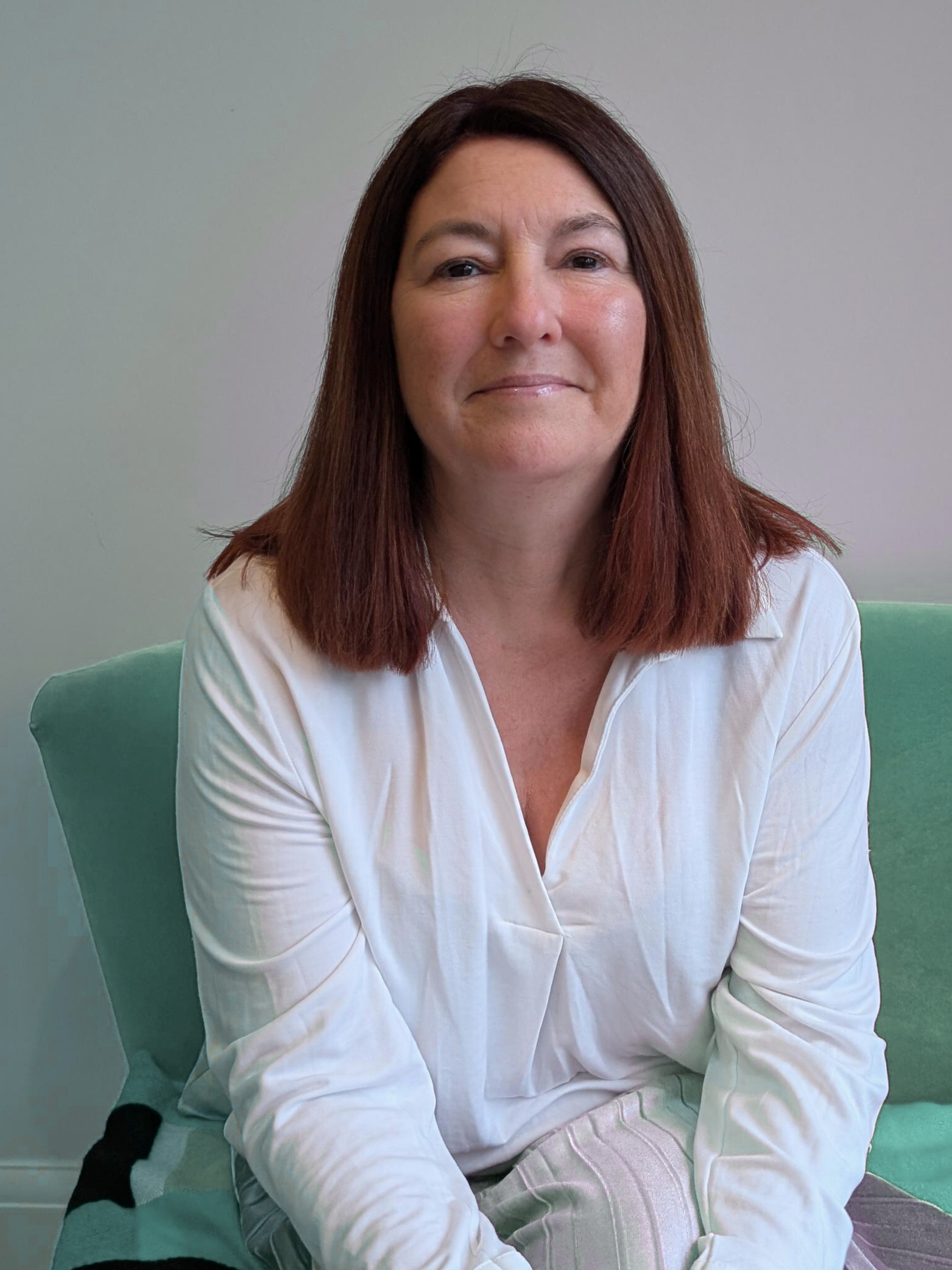
While this is a new workshop, Jenny brings over 25 years of clinical experience supporting individuals, couples, and supervisees. Here’s what people say about working with her:
“The non-judgemental, constructive feedback I receive from you reinforces my confidence, helping me to internalise the compassionate approach I strive to offer my clients. I find a secure space for reflection and development,
a space I am inspired to recreate for my clients, enabling them to grow.” - Anonymous Supervisee
“Thank you for your insightful guidance as a supervisor and trainer. I really appreciate all the work that I've done with you so far in supervision. I find it really beneficial.” - Anonymous Supervisee
“I feel incredibly fulfilled after spending the last 6–7 months in counselling with Jenny. She has truly helped me better understand my emotions and guided me in learning how to manage and cope with them in a healthy way. Before I began working with Jenny, I was really struggling with my self-confidence and self-esteem." - Anonymous Client

• You work with couples where ADHD is present, but naming it hasn’t reduced conflict
• You see repeated Parent–Child patterns and power struggles
• You want to work neuroaffirmatively without minimising harm or responsibility

ADHD, Shame & Conflict in Couples...
Saturday 16th May 2026, 10am-12pm (GMT), via Zoom.
This is a CPD workshop for therapists seeking a clear, relational, neuroaffirmative framework for high-conflict ADHD-impacted couples.
You’ll move from feeling stuck in repetitive cycles to confidently supporting regulation, repair, and connection - without blame, pathologising, or power struggles.

Thank you



© 2026 Therapy with Jenny Southall. All rights reserved.