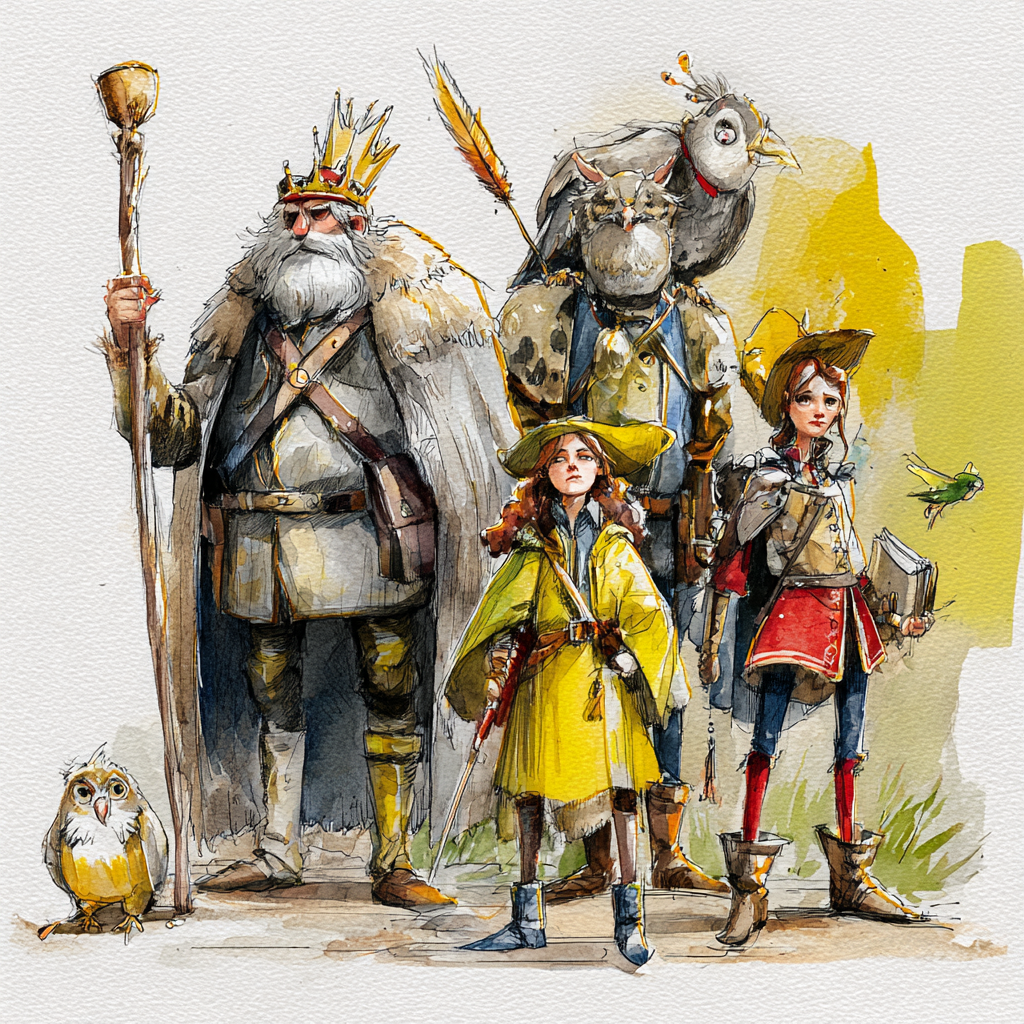
Before diving into your character planning, it's essential to understand both the 12 classic archetypes and the 9 Enneagram personality types. These frameworks help authors design compelling protagonists, antagonists, and supporting characters with depth, psychological motivation, and narrative purpose.
Meet Your Characters (Before You Actually Meet Them)
Why Your Characters Feel Like Cardboard Cutouts (And How to Fix It)
Let's be honest: you've read that book. You know, the one where the protagonist is about as memorable as yesterday's lunch? The one where the villain exists solely to be evil and the sidekick's only personality trait is "loyal"?
Yeah. We're not doing that.
Welcome to the delightfully nerdy world of character archetypes and Enneagram types—your secret weapons for crafting characters so real, your readers will argue about them at book clubs for years.
What the Heck Are Character Archetypes?
Think of archetypes as the greatest hits of human personality. They're not stereotypes (though they can become that if you're lazy). They're universal patterns that have been resonating with humans since we were painting on cave walls.
Carl Jung—psychologist, dream analyst, and probably fun at parties—identified these recurring patterns in stories across cultures. Turns out, whether you're reading ancient Greek mythology or the latest bestseller, humans keep gravitating toward the same basic character types.
Why? Because they work. They tap into something primal in our brains that says, "Yes, I recognize this energy."
The Magnificent Twelve
Here's your character lineup:
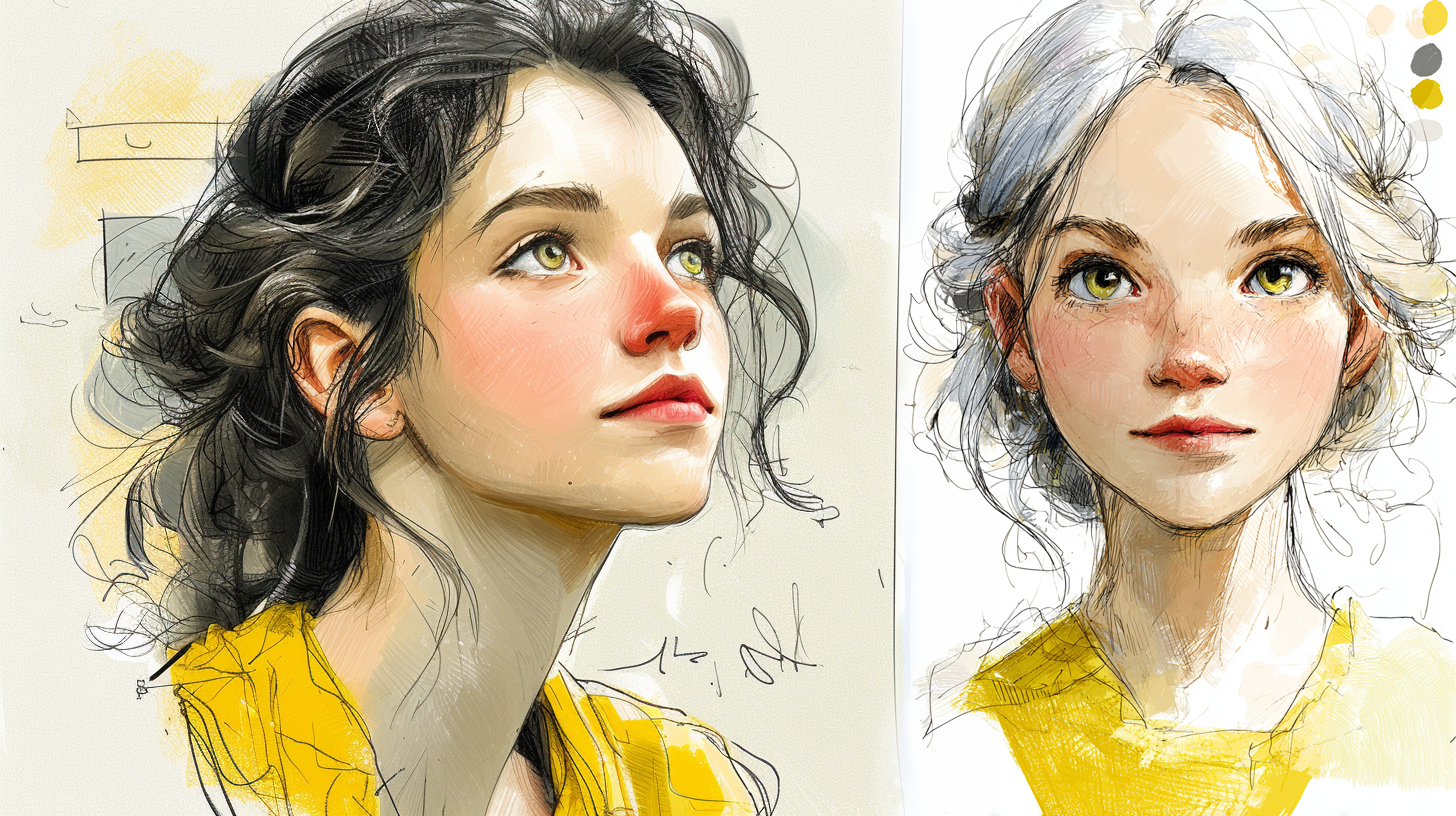
The Innocent - That eternally optimistic soul who thinks everything will work out fine. (Spoiler: it won't, but their journey is beautiful.)
Core Desire: Paradise & happiness
Core Fear: Punishment, abandonment
Best For: Coming-of-age, YA protagonists
Examples: Dorothy (Wizard of Oz), Lucy Pevensie (Narnia)
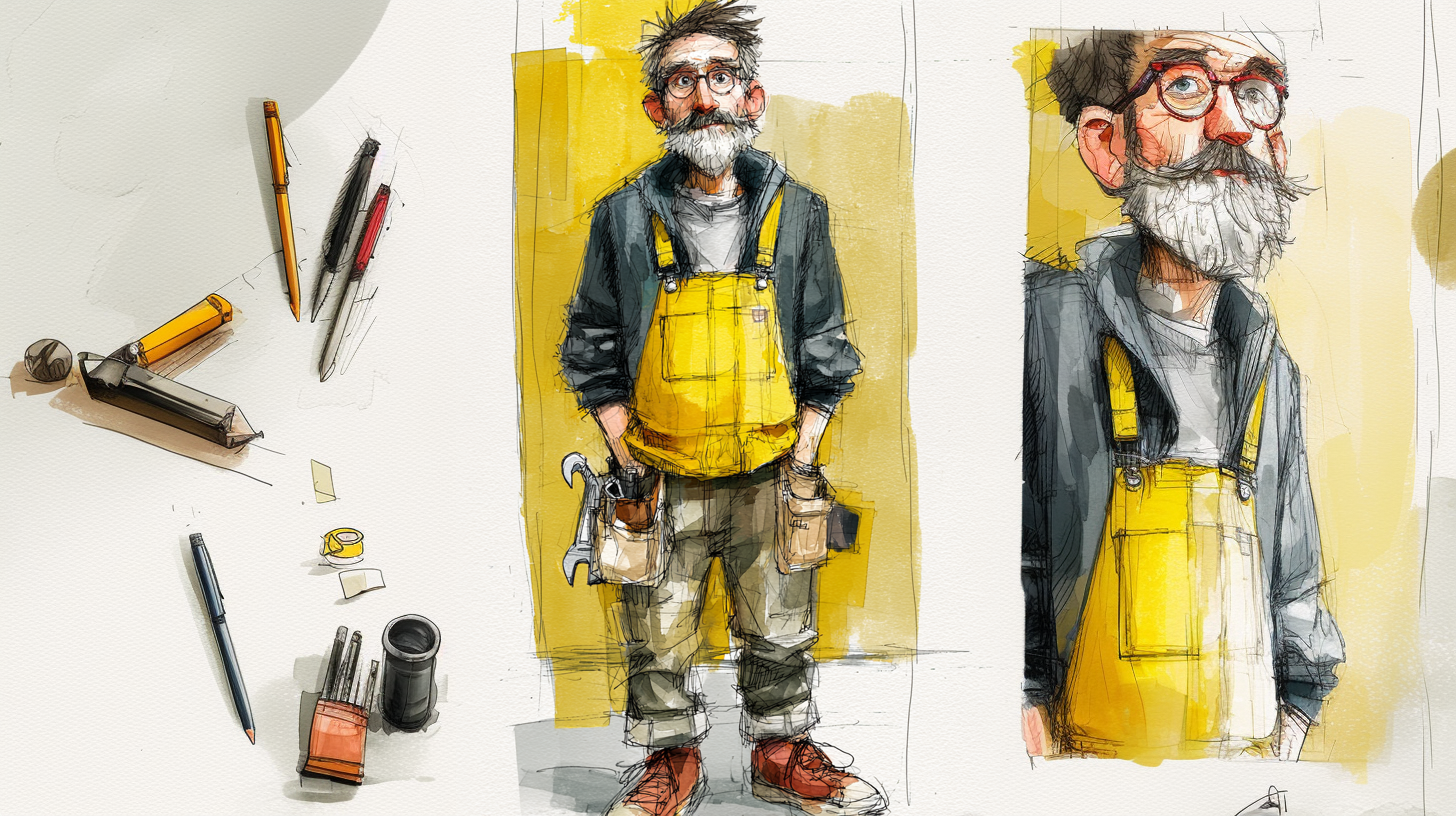
The Everyman/Orphan - Your relatable bestie. They're us, basically, but in fiction form. Down-to-earth, empathetic, and refreshingly normal.
Desire: Belonging
Fear: Exclusion
Best For: Relatable leads, ensemble casts
Examples: Bilbo Baggins, Samwise Gamgee
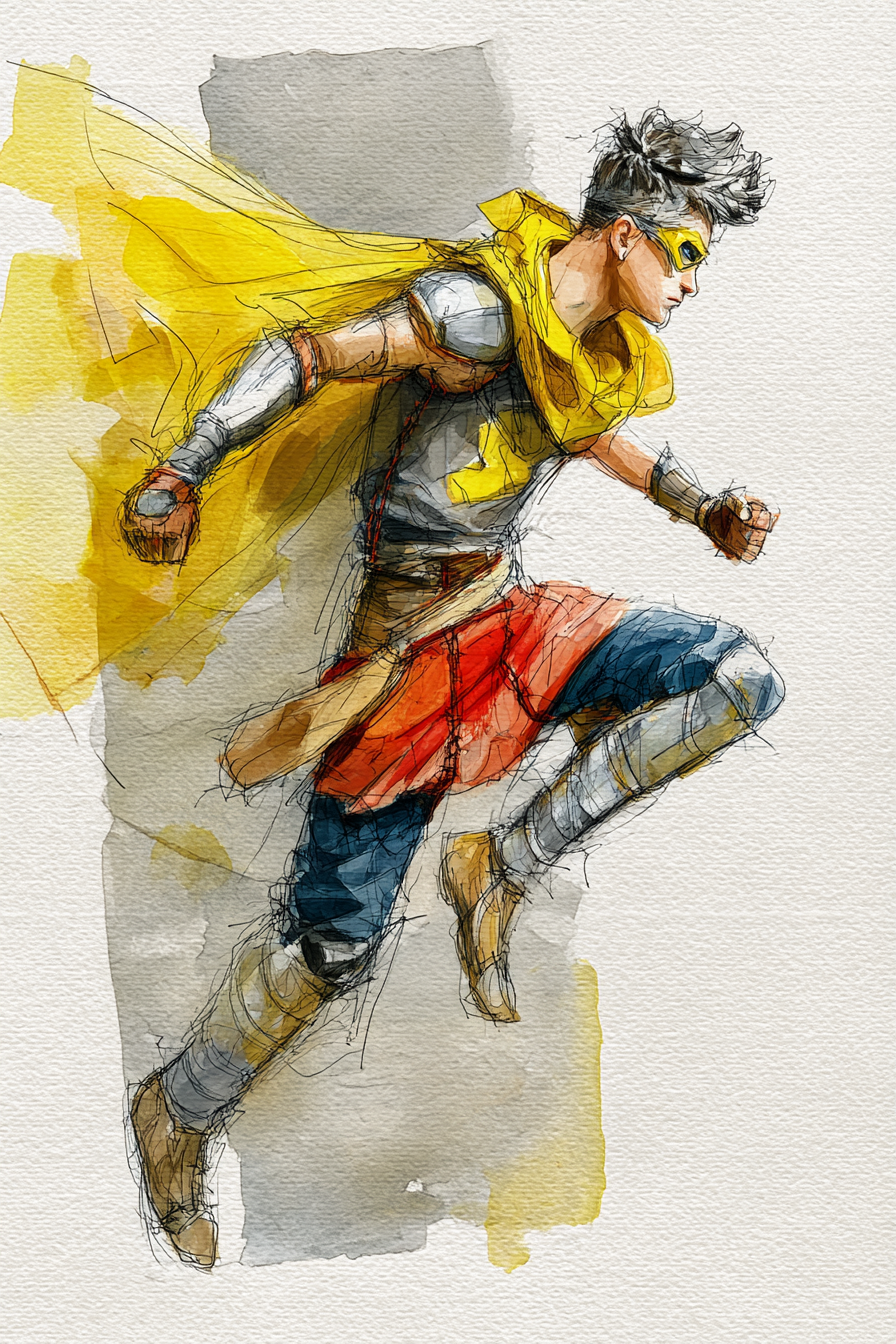
The Hero - Does what it says on the tin. Brave, determined, probably has abandonment issues. Will save the day, might get a complex about it.
Desire: Prove worth, courage
Fear: Weakness
Best For: Action, transformation arcs
Examples: Luke Skywalker, Harry Potter
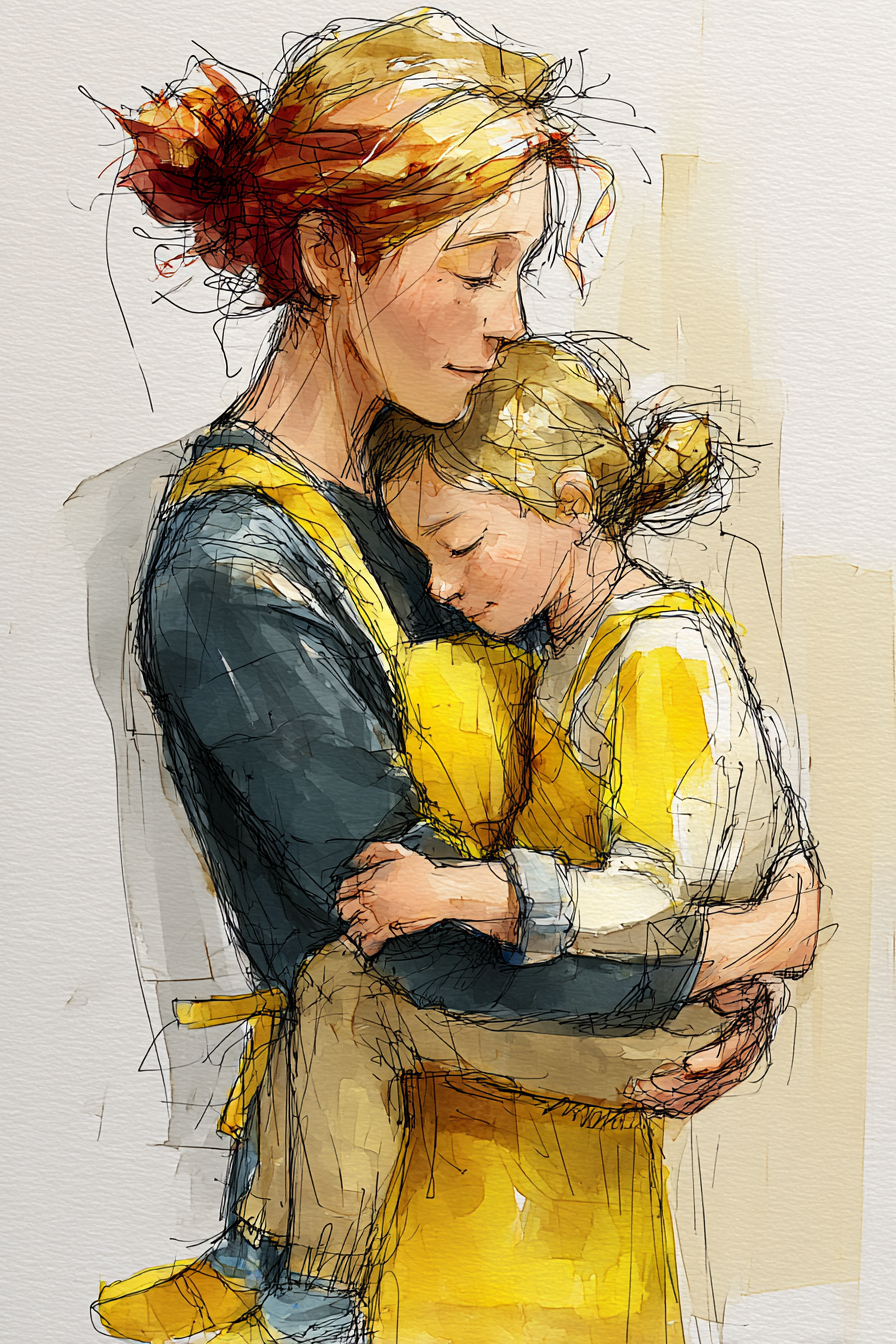
The Caregiver - The one who will literally give you the shirt off their back. Then make you soup. Then ask if you need a hug.
Desire: Protect, help
Fear: Selfishness
Best For: Nurturing secondary roles
Examples: Samwise, Mary Poppins
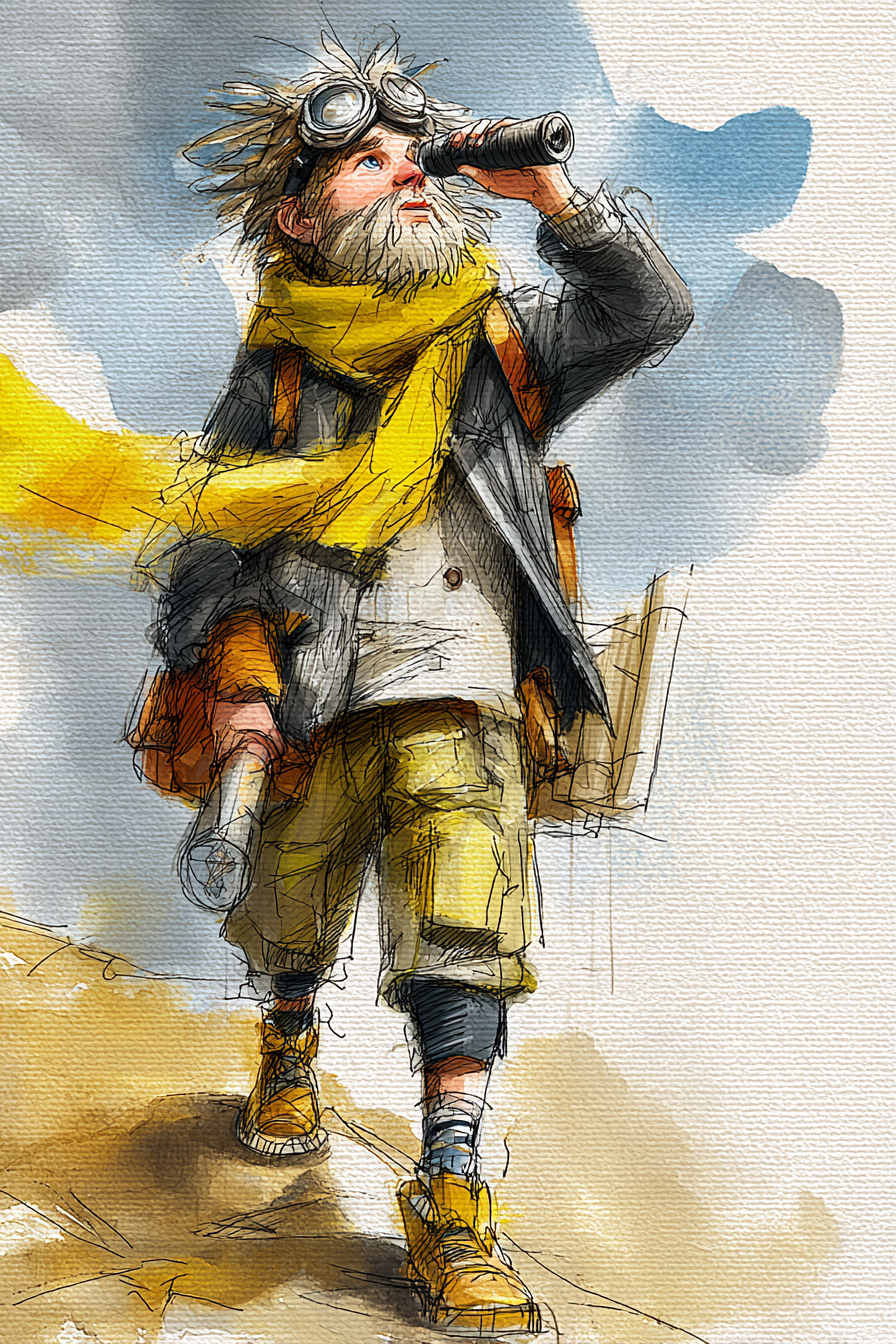
The Explorer - Can't. Sit. Still. Must discover all the things. Commitment? What's that?
Desire: Freedom, discovery
Fear: Confinement
Best For: Journey narratives
Examples: Indiana Jones, Moana
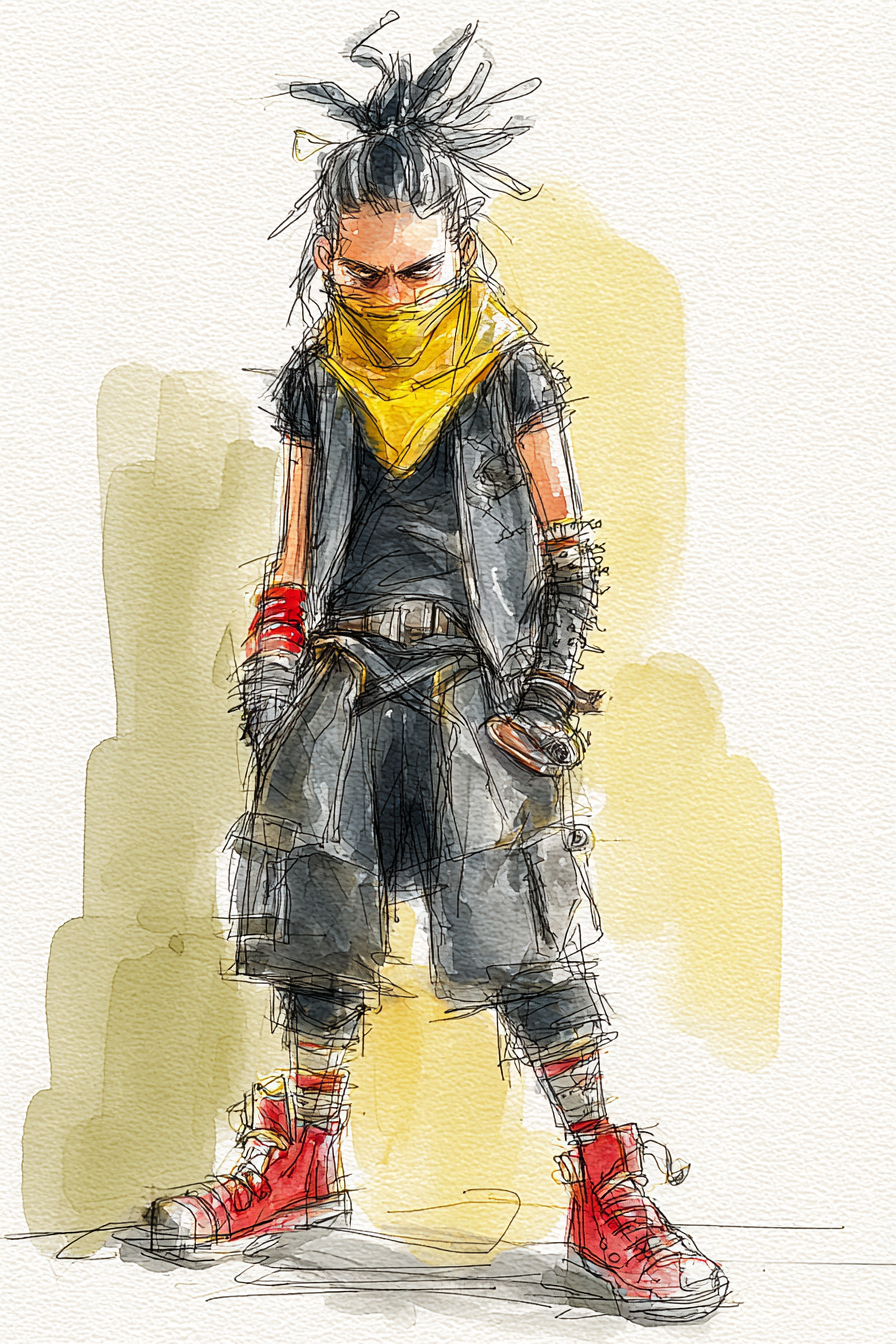
The Rebel/Outlaw - Rules are made to be broken, systems are made to be overthrown, and society can get bent.
Desire: Revolution
Fear: Powerlessness
Best For: Challenging status quo
Examples: Robin Hood, Katniss Everdeen
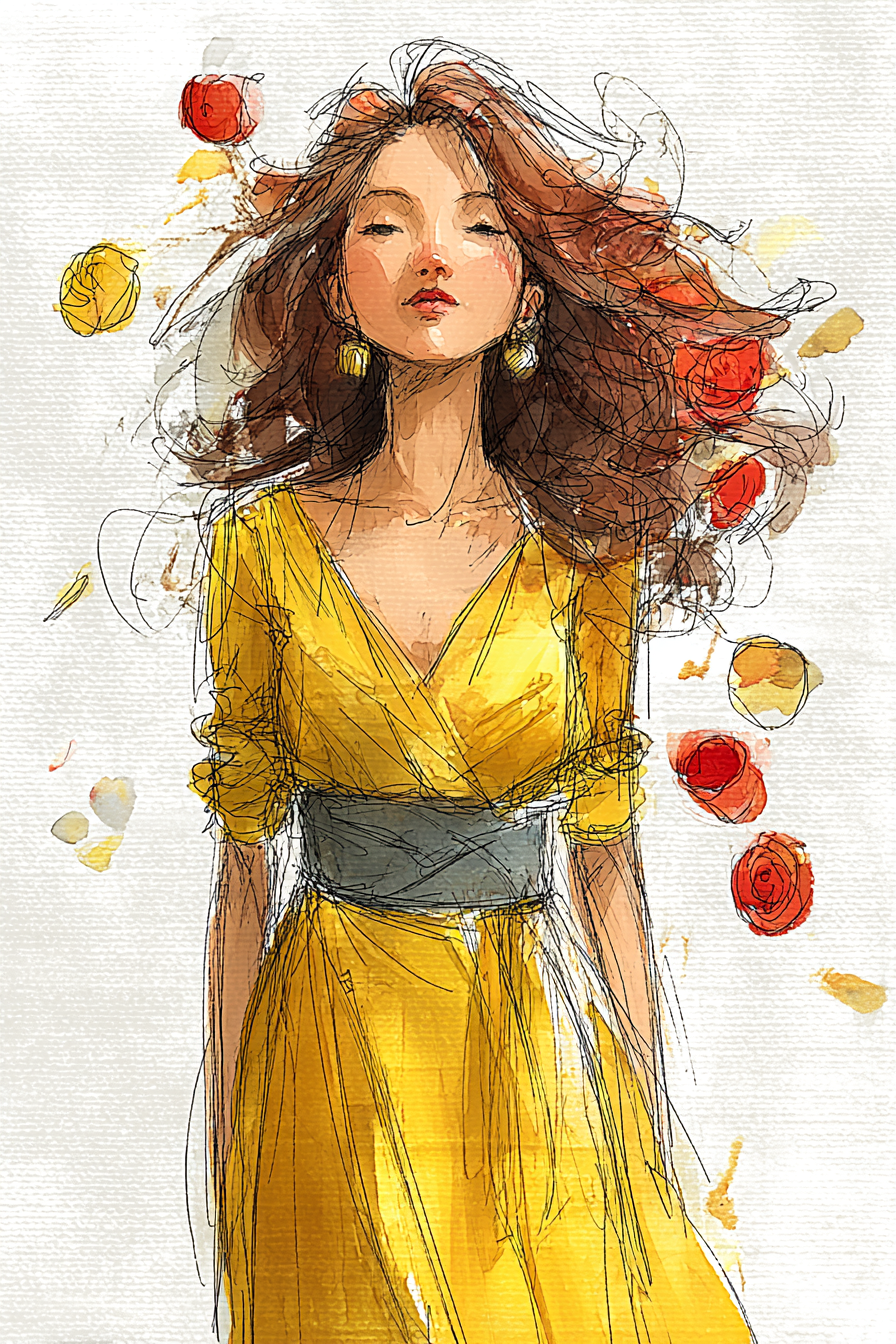
The Lover - No, not just romance (though yes, that too). They're passionate about everything—love, art, connection, that perfect cappuccino.
Desire: Intimacy, love
Fear: Isolation
Best For: Romance
Examples: Romeo & Juliet, Jack & Rose
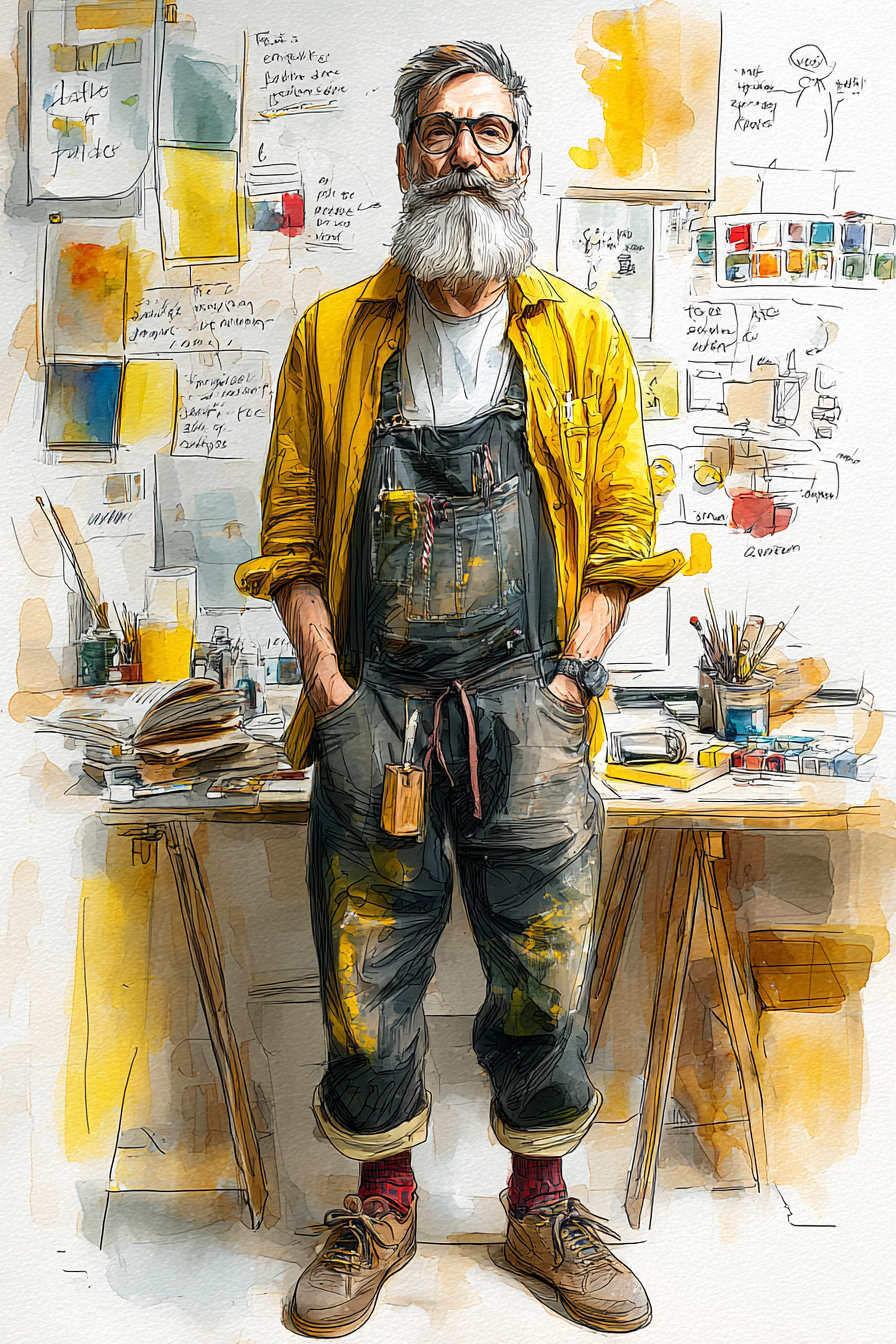
The Creator - Artists, inventors, mad scientists. They must make things. Sleep is optional; vision is mandatory.
Desire: Make something lasting
Fear: Mediocrity
Best For: Visionary, artist types
Examples: Tony Stark, Victor Frankenstein
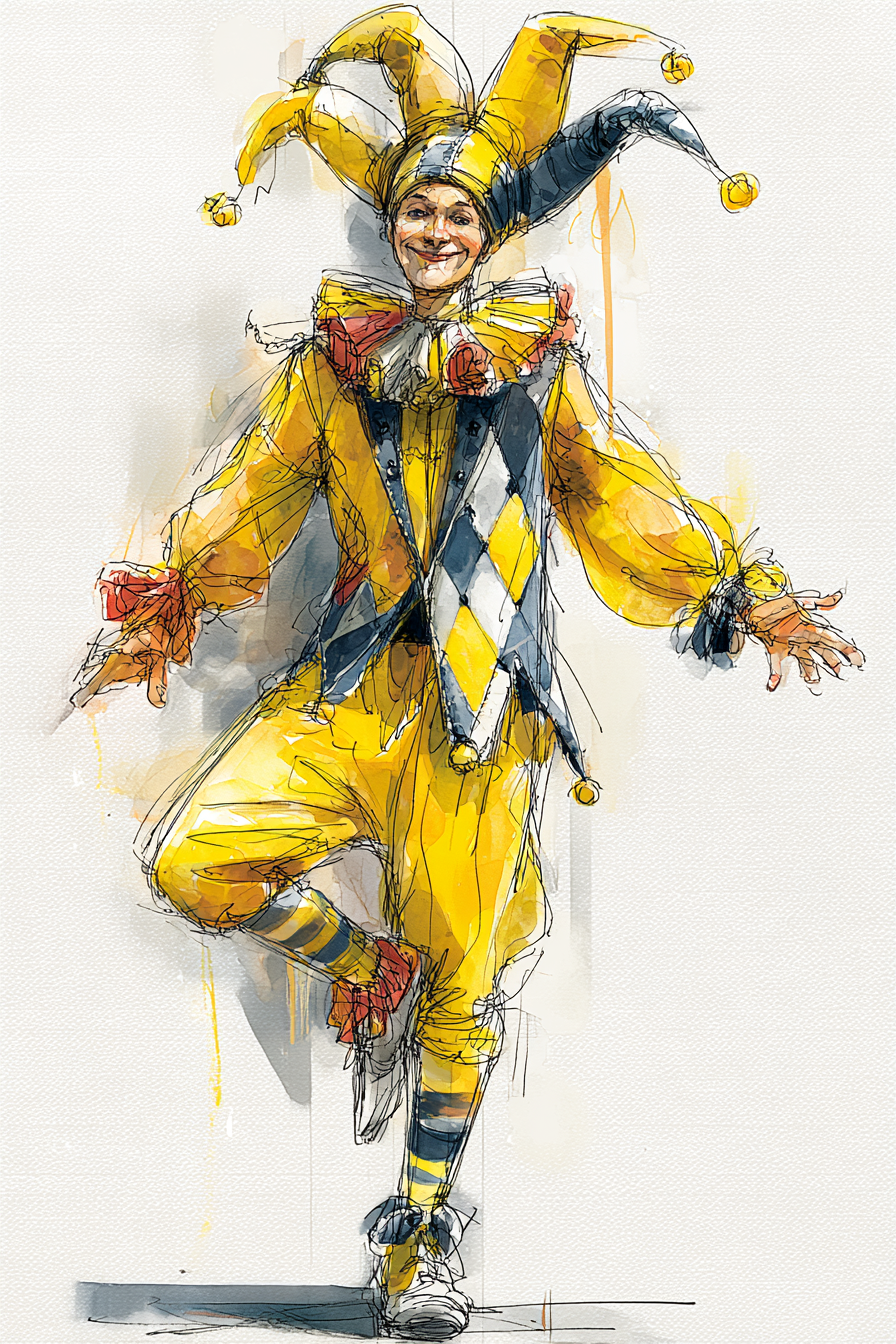
The Jester - Life's too short not to laugh. Uses humor like a scalpel—cuts right to the truth while everyone's giggling.
Desire: Joy, humor
Fear: Boredom
Best For: Comic relief
Examples: Genie (Aladdin), Tyrion Lannister
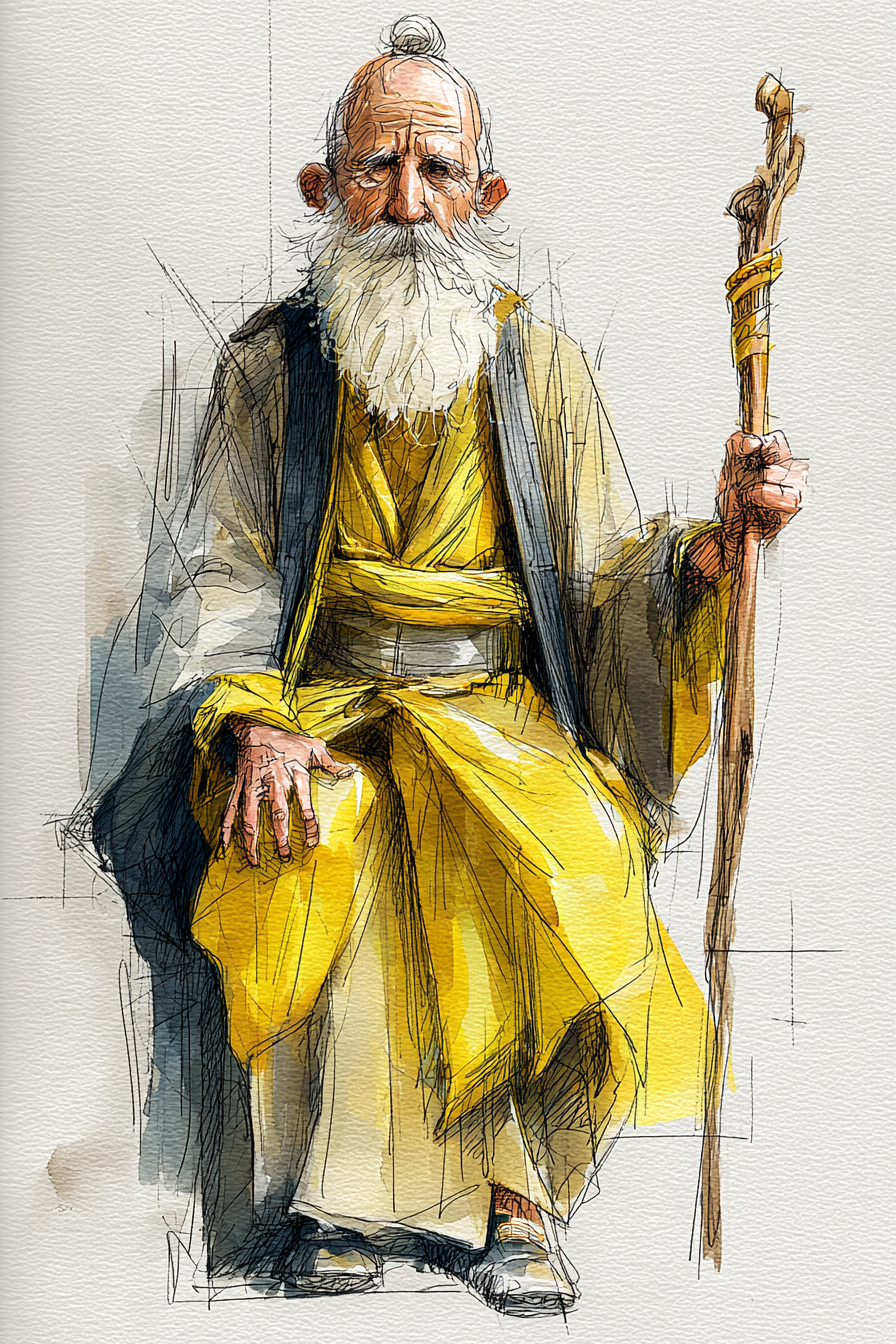
The Sage/Mentor - Wise, knowledgeable, probably has a beard (gender irrelevant). Thinks deeply, acts slowly, knows things.
Desire: Truth, wisdom
Fear: Ignorance
Best For: Guide/mentor roles
Examples: Gandalf, Obi-Wan Kenobi
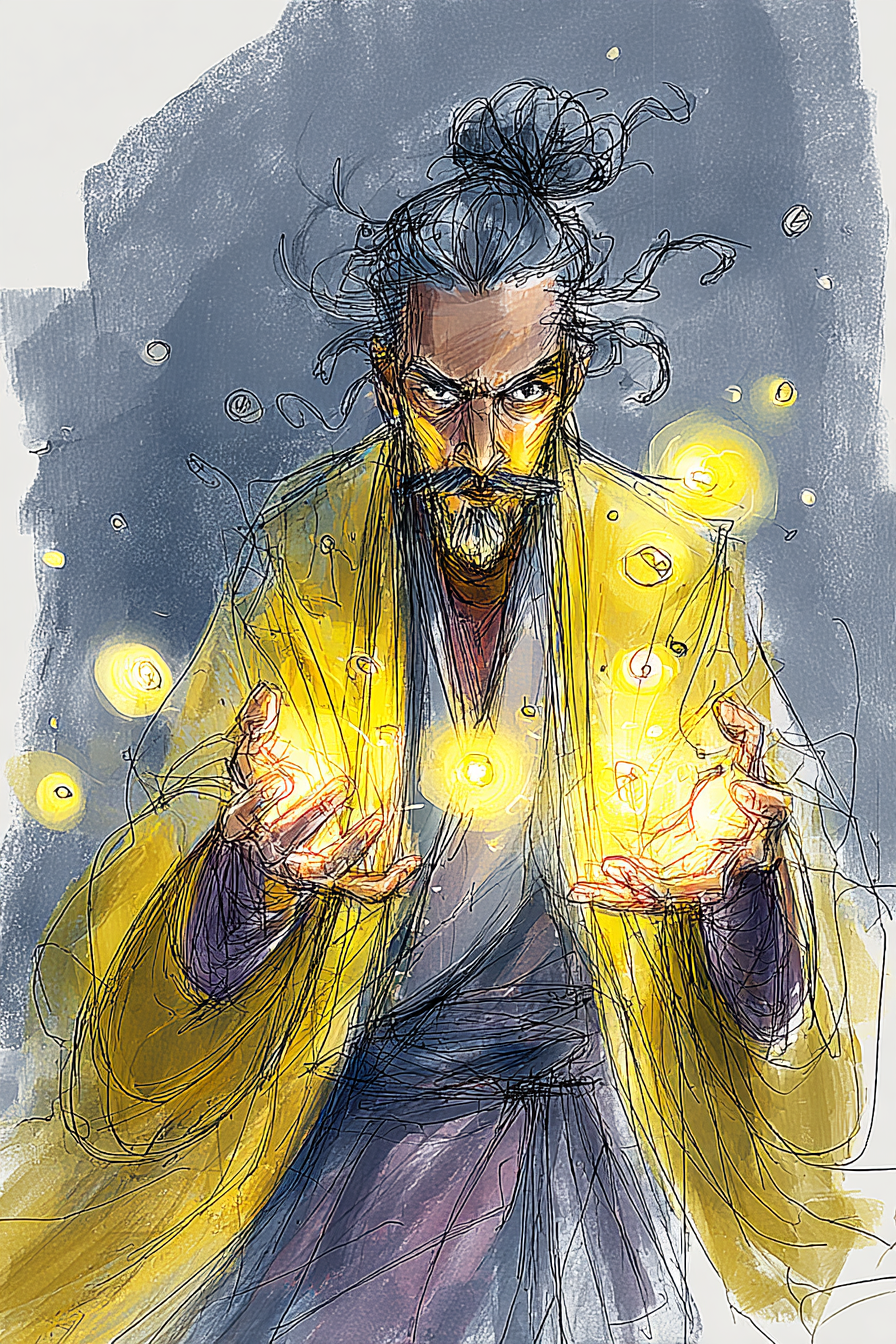
The Magician - Transforms everything they touch. Sees possibilities where others see problems. Probably knows something you don't.
Desire: Transformation
Fear: Unintended outcomes
Best For: Change agents, fantasy genres
Examples: Doctor Strange, Mary Poppins
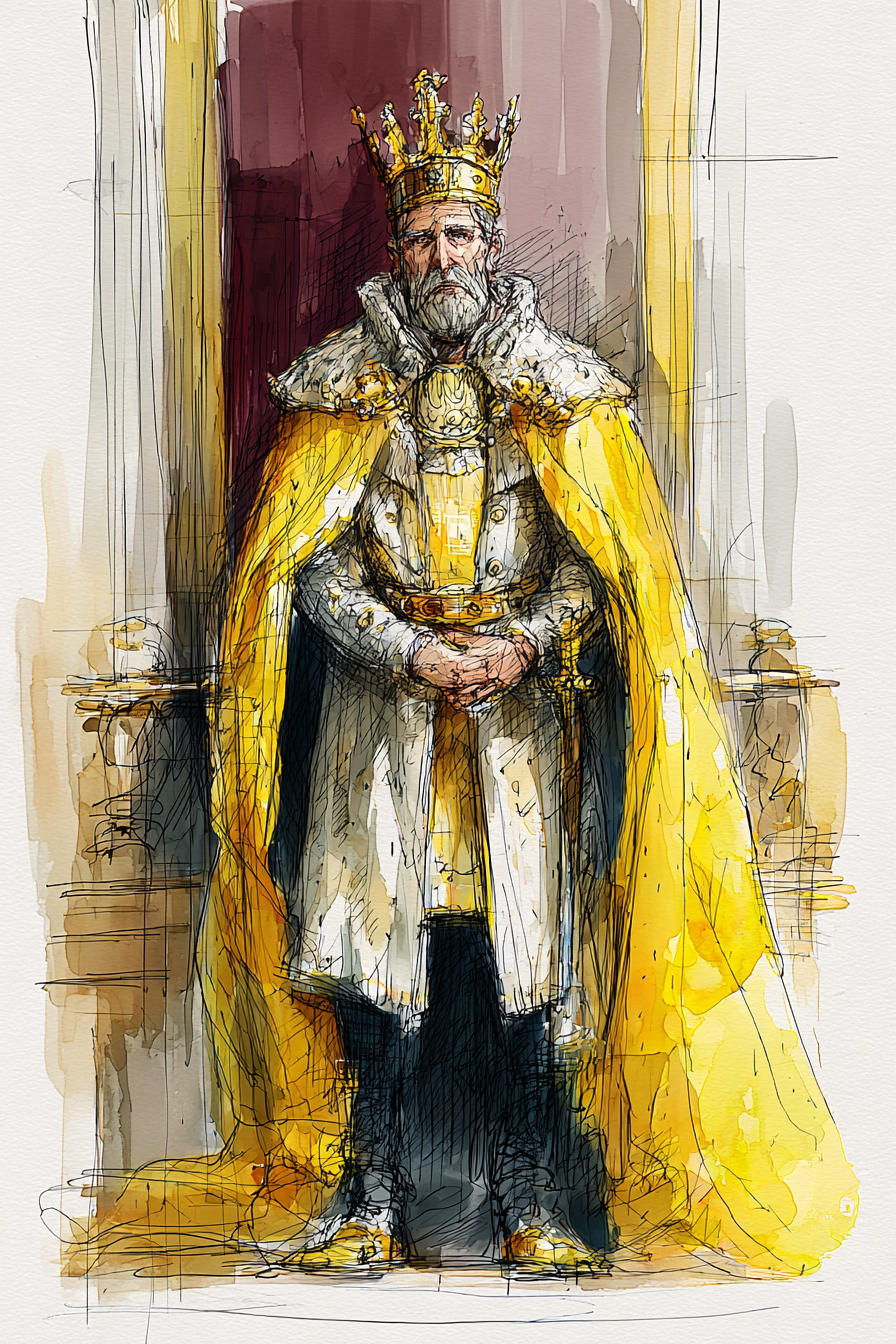
The Ruler - Born to lead (or at least convinced they were). Organizes, controls, creates order from chaos. Control issues? Them? Never.
Desire: Control, order
Fear: Chaos, overthrow
Best For: Leaders, antagonists
Examples: Aragorn, Miranda Priestly
But Wait—There's More! Enter the Enneagram
If archetypes tell you what role your character plays in the story, the Enneagram tells you why they're a hot mess (because all good characters are, at least a little).
The Enneagram is an ancient personality system that breaks humans down into nine core types, each with their own fear, desire, and brand of dysfunction. It's like Myers-Briggs's cooler, more emotionally intelligent cousin.
The Neurotic Nine (Said with Love)
Type 1: The Reformer - Everything would be perfect if everyone just did things correctly. Which is to say, their way.
Type 2: The Helper - They just want to be loved! Is that so much to ask? Also, they made you a casserole. And volunteered at your charity. And planned your wedding. You're welcome.
Type 3: The Achiever - Success isn't everything; it's the only thing. They're winning. Are you winning? They're definitely winning.
Type 4: The Individualist - Nobody understands them. They're uniquely, exquisitely, artistically misunderstood. And yes, they're fine. (They're not fine.)
Type 5: The Investigator - Knowledge is power. People are exhausting. They'll be in their room with seventeen books, thank you very much.
Type 6: The Loyalist - But what if everything goes wrong? No, seriously, what's the plan for when everything inevitably goes wrong?
Type 7: The Enthusiast - Life is an adventure! And a party! And a journey! FOMO is real, and they're experiencing ALL THE THINGS.
Type 8: The Challenger - They're not intimidating; you're just intimidated. Also, they're in charge now. Any questions?
Type 9: The Peacemaker - Conflict? In this household? Let's all just get along and watch Netflix. Everyone's opinion is valid. Please don't fight.
Why You Need Both (Yes, Both)
Here's the magic formula:
Archetype = What your character does in the story
Enneagram = Why they're psychologically compelled to do it that way
Example: Your protagonist is a Hero archetype (saving the day, being brave, etc.) but they're an Enneagram Type 3. Suddenly, they're not just heroic—they're heroic because they're terrified of being seen as worthless. They need to achieve, to be admired, to prove their value. That's juicy. That's character depth.
Another example: Your antagonist is a Ruler archetype (power, control, leadership) but they're an Enneagram Type 6. Now they're not power-hungry—they're terrified of chaos and desperately trying to create security through control. Suddenly, your villain has sympathetic motivations.
See how this works?
How to Actually Use This Stuff (Without Your Brain Exploding)
Step 1: Pick Your Archetype
What role does this character play in your story? What function do they serve?
Step 2: Choose Your Enneagram Type
What's driving them internally? What do they fear? What do they desperately want?
Step 3: Layer Like a Boss
Now add unique traits, backstory, quirks, contradictions. The archetype and Enneagram are your foundation, not your ceiling.
Step 4: Watch for Clichés
If your character feels like every other character of that type, go deeper. What makes your Hero different? What unusual traits can you add?
The Golden Rule of Character Development
Archetypes are patterns, not prisons.
You're not creating cookie-cutter characters; you're using universal patterns as a launching pad for creating memorable, complex, contradictory humans (or elves, or vampires, or sentient robots—we don't judge).
Think of it like music: you need to know the rules of melody and harmony before you can break them beautifully. Same with characters.
For Protagonists: Choose Your Fighter
Best Protagonist Archetypes:
The Hero - Classic for a reason. Active, driven, transforms.
The Everyman - Relatable entry point for readers.
The Explorer - Great for journey narratives and discovery.
The Innocent - Perfect for coming-of-age and growth arcs.
Pro Tip: Pair them with Enneagram types that create internal conflict. A Hero who's also a Type 9 (conflict-avoidant)? That's interesting tension.
For Antagonists: Embrace the Complexity
Best Antagonist Archetypes:
The Ruler - Power and control make compelling opposition.
The Rebel - Revolutionary with a cause you can't quite dismiss.
The Magician - Manipulative, transformative, playing 4D chess.
Corrupted Hero - They were the chosen one! (And look how that turned out.)
Pro Tip: Give them an Enneagram type that explains their villainy. Type 1 antagonists think they're saving the world through their "necessary" evil. Type 8 antagonists are protecting themselves from perceived threats. Suddenly, they're not just obstacles—they're people.
Common Mistakes (And How Not to Make Them)
Mistake #1: Treating Archetypes Like Stereotypes
Don't. Your Caregiver can be sarcastic. Your Hero can hate themselves. Your Jester can have depression. Complexity is king.
Mistake #2: Forgetting About Character Arcs
Characters change! An Innocent can become a Hero. A Hero can corrupt into a Ruler. Track these transformations.
Mistake #3: Ignoring the Enneagram's Stress/Growth Patterns
Each type moves to a different type under stress and toward another type when growing. This is built-in character arc potential. Use it!
Mistake #4: Making Everyone the Same Type
If all your characters are Type 3 Achievers, your book is an anxiety-inducing nightmare. (Actually, that might be interesting. But probably diversify.)
Your Mission, Should You Choose to Accept It
Take your current work-in-progress. Look at your protagonist. Can you identify their archetype? Their Enneagram type? If not, experiment. Try different combinations. See what clicks.
Your characters are waiting to become real people. These tools are your skeleton keys.
Now go forth and create characters so vivid, so real, so compelling that readers forget they're fictional.
(And when they start writing fanfiction about your characters' psychological depths, you'll know you've succeeded.)
Resources to Keep You Going
The Archetypes Cheat Sheet - Quick reference for all twelve
Enneagram Deep Dive - Detailed breakdowns of all nine types
Character Planning Worksheet - Because organized chaos is still chaos
Archetype + Enneagram Pairing Guide - Mix and match for maximum impact
Welcome to character development. It's weird here. You're going to love it.
P.S. - If you're thinking, "This is a lot," you're right. But you know what's also a lot? Writing an entire novel with flat characters. Choose your hard.





© 2025 Lisa A. Moore. All rights reserved.