
The Top 10 Things To Do in the Smokies, Any Time of Year
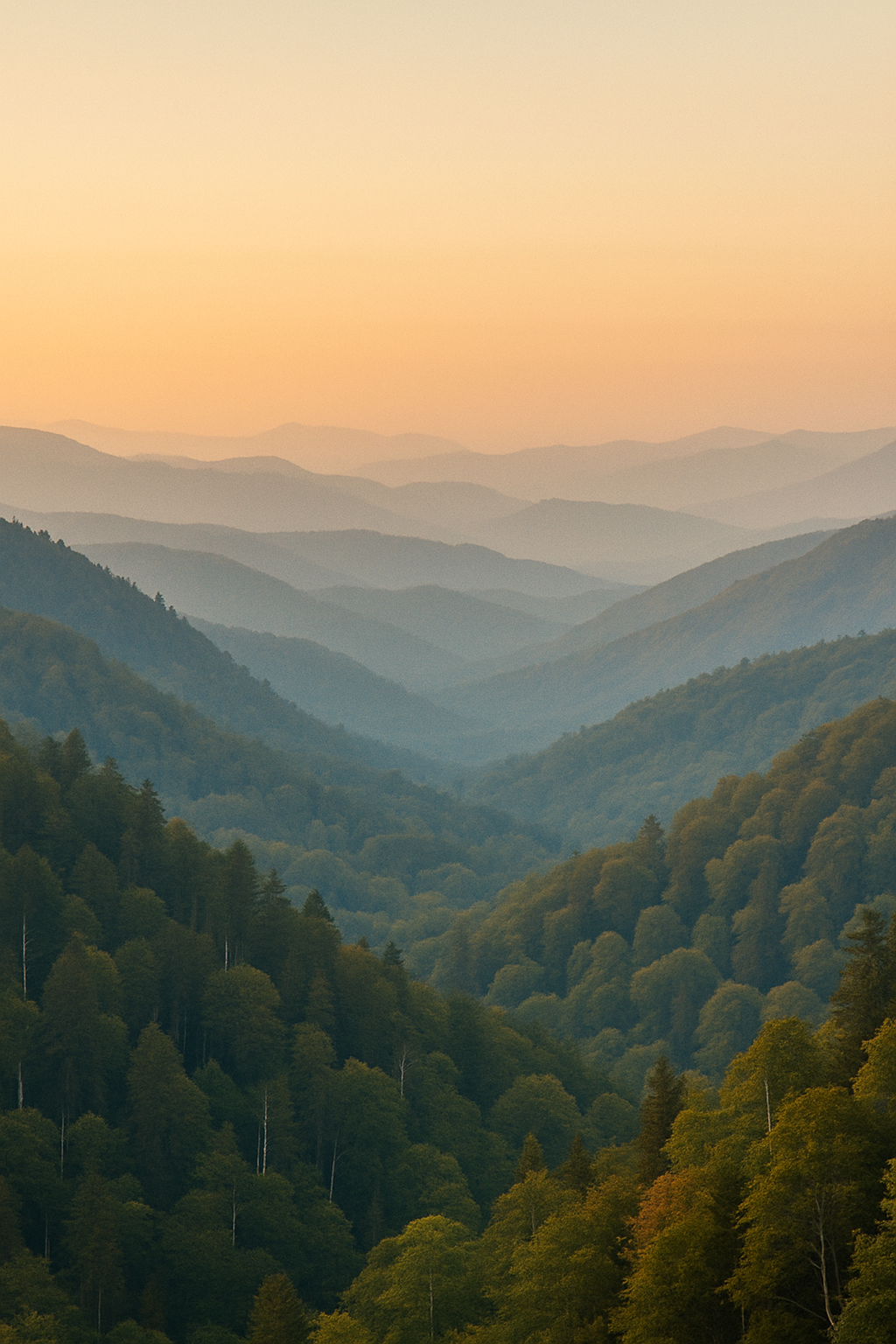
The Smoky Mountains aren’t just a backdrop... they’re alive. The mist curls over the ridges in the morning like breath. Wildflowers carpet the valleys in spring, while in autumn the forests burn red and gold. Even in winter, there’s a stillness that reminds you these mountains have been here long before us and will be here long after.
For us at Oak & Ember, the Smokies are more than a vacation spot. They’re where we find balance between adventure and rest, between timeless tradition and modern comfort. It’s why we chose to plant our roots here, so our guests can do the same.
If you’re planning a trip, here are ten experiences that reveal the soul of the Smokies, drawn from local history, visitor favorites, and our own time exploring.
Featured Travel Guide
1. Cades Cove: A Valley Where Time Stands Still
Drive into Cades Cove, and you’ll feel like you’ve entered another world. Encircled by rolling peaks, the valley has been a gathering place for centuries, once for Cherokee hunters, later for pioneer families, and now for millions of visitors.
The 11-mile loop road is one of the park’s crown jewels. Along the way you’ll pass log cabins, barns, and churches that look almost frozen in time. Step inside, and you’ll sense what life was like in the 1800s, both rugged and deeply rooted in community.
Wildlife here is abundant. Deer graze in meadows, wild turkeys strut across the road, and black bears are often spotted near the tree line. One traveler wrote on TripAdvisor: “We saw three bears before we made it to stop number two. I felt like I was inside a nature documentary.”
Best way to experience it: Go early morning when fog drapes the fields, or near sunset when the light turns golden. On Wednesdays during summer, the loop is closed to cars until 10 a.m., making it magical for bikers and walkers.
2. Newfound Gap: Standing at the Roof of the Park
Newfound Gap Road connects Gatlinburg, TN, to Cherokee, NC, crossing the park from north to south. At the highest point, Newfound Gap Overlook, you’re standing at 5,046 feet, straddling the state line with sweeping mountain views.
It’s also historic: this is where President Franklin D. Roosevelt dedicated the national park in 1940, calling it “a priceless possession of the American people.”
Travelers love the contrast: you leave town in shorts and T-shirts, then find yourself needing a jacket just 30 minutes later. One reviewer said: “It felt like two vacations in one day — warm valley hikes in the morning, crisp mountaintop views by afternoon.”
Pro Tip: Stop at Sugarland's Visitor Center before heading up. Rangers can update you on trail closures, weather conditions, and where wildflowers or foliage are best at that moment.
3. Roaring Fork Motor Nature Trail: The Symphony of Water and Wood
If Cades Cove is about wide-open vistas, Roaring Fork is about intimacy; water rushing beside the road, moss-draped logs, and cabins tucked into shadowy hollows.
The 6-mile one-way loop begins just outside Gatlinburg and feels worlds away from the bustle. As the name suggests, streams tumble loudly here, and after heavy rain, waterfalls like the aptly named Place of a Thousand Drips are unforgettable.
It’s also home to short hikes that punch far above their weight, like Grotto Falls, where the trail leads behind the cascade itself.
One Redditor wrote: “Roaring Fork is my reset button. It’s where I roll down the windows, turn off the music, and remember that nature has its own soundtrack.”
Note: The loop is closed in winter, so check before you go.
4. Kuwohi (Clingmans Dome): A Walk Above the Clouds
At 6,643 feet, Kuwohi (known to most as Clingmans Dome) is the park’s highest peak. The Cherokee name means “mulberry place,” a reminder that this land has deep Indigenous roots long before tourism.
The paved half-mile trail to the observation tower is steep, but the reward is staggering. On clear days, you can see seven states. On misty days, you’re literally inside the clouds.
A traveler’s review summed it up: “It was like standing in a snow globe of clouds, where the mountains kept appearing and disappearing around me.”
The road to the trailhead is closed in winter, but the tower itself is open year-round for those willing to hike in.
5. Abrams Falls: The Waterfall Worth the Effort
Within Cades Cove lies the trail to Abrams Falls. The hike is 5 miles round-trip and considered moderate, but the destination, a powerful 25-foot waterfall spilling into a deep pool, is worth every step.
Visitors often comment on how the trail itself is just as rewarding as the falls: rhododendron tunnels, river crossings, and peaceful forest. One Yelp reviewer wrote: “We stopped for lunch on a rock and listened to the water. It felt like the soundtrack of the Smokies.”
Important: Swimming is strongly discouraged, the undertow has claimed lives. Enjoy the view, take photos, but respect the power of nature here.
6. Gatlinburg SkyLift Park & SkyBridge: A Modern Icon
For decades, the yellow chairlift rising from downtown Gatlinburg has been a rite of passage. Today, it connects visitors to the SkyBridge, the longest pedestrian cable bridge in North America.
Suspended 140 feet above the ground, the bridge stretches 680 feet across a valley, with glass panels at its midpoint daring you to look down.
One family said: “I thought I’d be terrified, but once I stepped out, the view took over. It’s pure joy, not fear.”
Go near sunset, when the Smokies glow, then linger on the SkyDeck for live music and a drink.
7. Dollywood: Where Music, Tradition, and Magic Collide
There are theme parks and then there’s Dollywood. Dolly Parton’s park is consistently ranked among America’s best, but it’s more than rides. It’s Appalachian soul brought to life through crafts, bluegrass, gospel, and food.
The coasters rival any park, but it’s the cinnamon bread, the artisans still hand-carving wood or blowing glass, and the warmth of the staff that keep families coming back.
As one Google reviewer wrote: “Dollywood is where my kids screamed on Thunderhead, my mom cried at the gospel show, and we all laughed over cinnamon bread. It’s the only park where everyone in my family was happy the entire day.”
8. The Arts & Crafts Community: The Handcrafted Heart of the Smokies
East of Gatlinburg, an 8-mile loop winds through the Great Smoky Arts & Crafts Community, the largest group of independent artisans in the country.
Here, potters shape clay, woodcarvers chip away at blocks that become bears, and weavers create blankets that look like they’ve been on Smoky Mountain porches for generations.
It’s not just shopping... it’s a cultural thread. “I bought a mug,” one visitor said, “but more importantly, I met the woman who made it, and now I think of her every morning with coffee.”
9. Ripley’s Aquarium of the Smokies: A World Beneath the Water
Sometimes the weather doesn’t cooperate. Sometimes you just need a day in town. That’s where Ripley’s Aquarium shines.
Families love the tunnel where sharks and rays swim overhead, and the penguin exhibit is endlessly entertaining. It’s immersive, interactive, and dependable.
A parent wrote: “Our kids talked about the penguins for three days. Honestly, so did we.”
It’s a must-have backup plan... and honestly, worth a visit even when the sun is shining.
10. The Island in Pigeon Forge: Music, Lights, and Laughter
By day, The Island is a mix of shops, rides, and attractions. By night, it transforms into an entertainment hub centered around its dancing fountain, lit with music and color.
The 200-foot Great Smoky Mountain Wheel gives panoramic views, while Margaritaville, Paula Deen’s Family Kitchen, and countless small eateries keep everyone satisfied.
One traveler review captured it: “We came for dinner, stayed for the fountain, and left three hours later with full bellies and sore cheeks from smiling.”
Respecting the Mountains: Bear Etiquette & Leave No Trace
The Smokies welcome millions of visitors every year, yet they remain one of the most biologically diverse places on Earth. Protecting that balance is everyone’s responsibility.
Bears: Never feed them, never approach them. If you encounter one, keep at least 50 yards away and slowly back off. Feeding bears makes them dangerous for you and for them.
Leave No Trace: Stay on trails, pack out your trash, and avoid picking plants. Even small actions ripple through the ecosystem.
Parking Tags: Required for any vehicle stopping more than 15 minutes. Funds directly support park maintenance.
These aren’t rules meant to limit you — they’re practices that allow you, and everyone after you, to experience the Smokies at their best.
Why We Built Oak & Ember in the Smokies
For us, these ten experiences capture the spirit of the Smokies: wild but welcoming, awe-inspiring yet comforting. They remind us why we wanted to create a place here — not just to provide a cabin, but to provide a gateway into moments like these.
Every guest who stays with us becomes part of this story. Whether you’re watching the sun rise at Newfound Gap, laughing at The Island fountain, or sipping coffee from a handmade mug, you’re experiencing the Smokies as we’ve come to love them deeply, personally, and wholeheartedly.
The Smokies aren’t just a destination. They’re a reminder to slow down, breathe, and connect. And that’s what Oak & Ember is all about.
Receive Exclusive Offers & Travel Tips
Join our newsletter for insider deals and the latest travel guides.






© 2025 Oak & Ember Group LLC. All rights reserved.
